
Fused Deposition Modelling (FDM)

Unlocking Precision
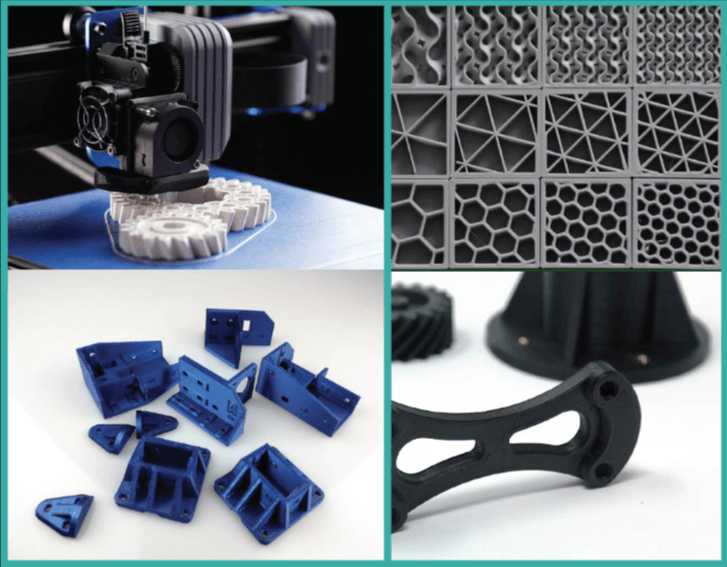
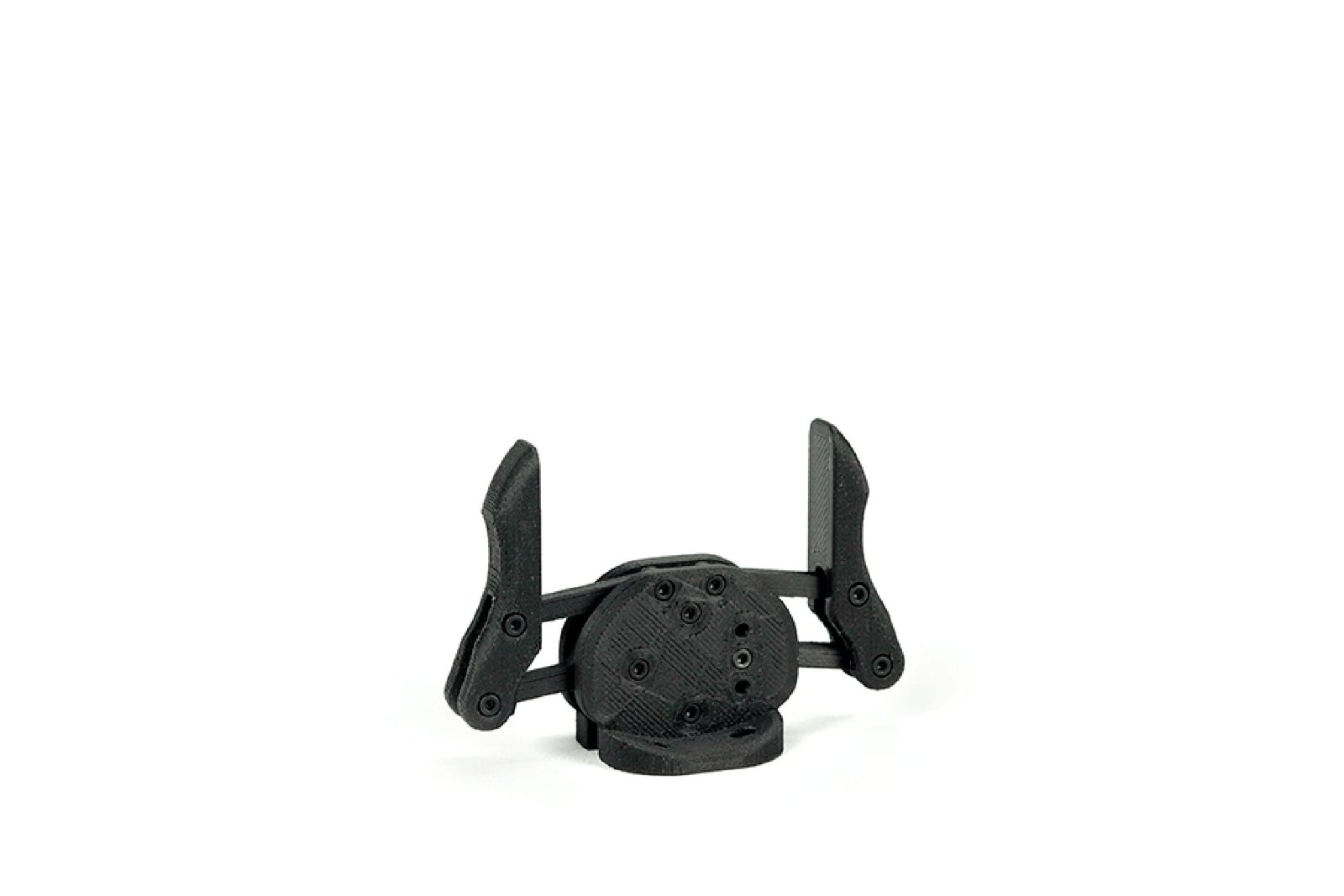
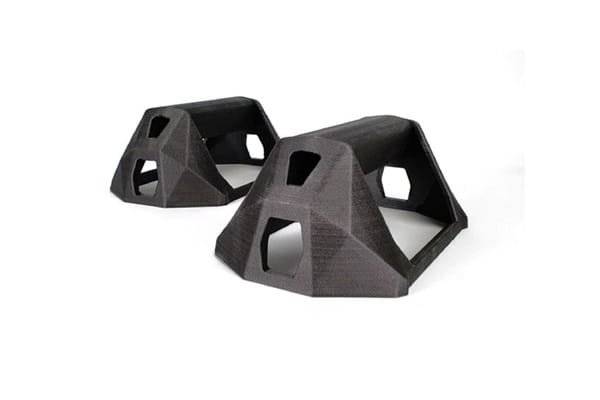
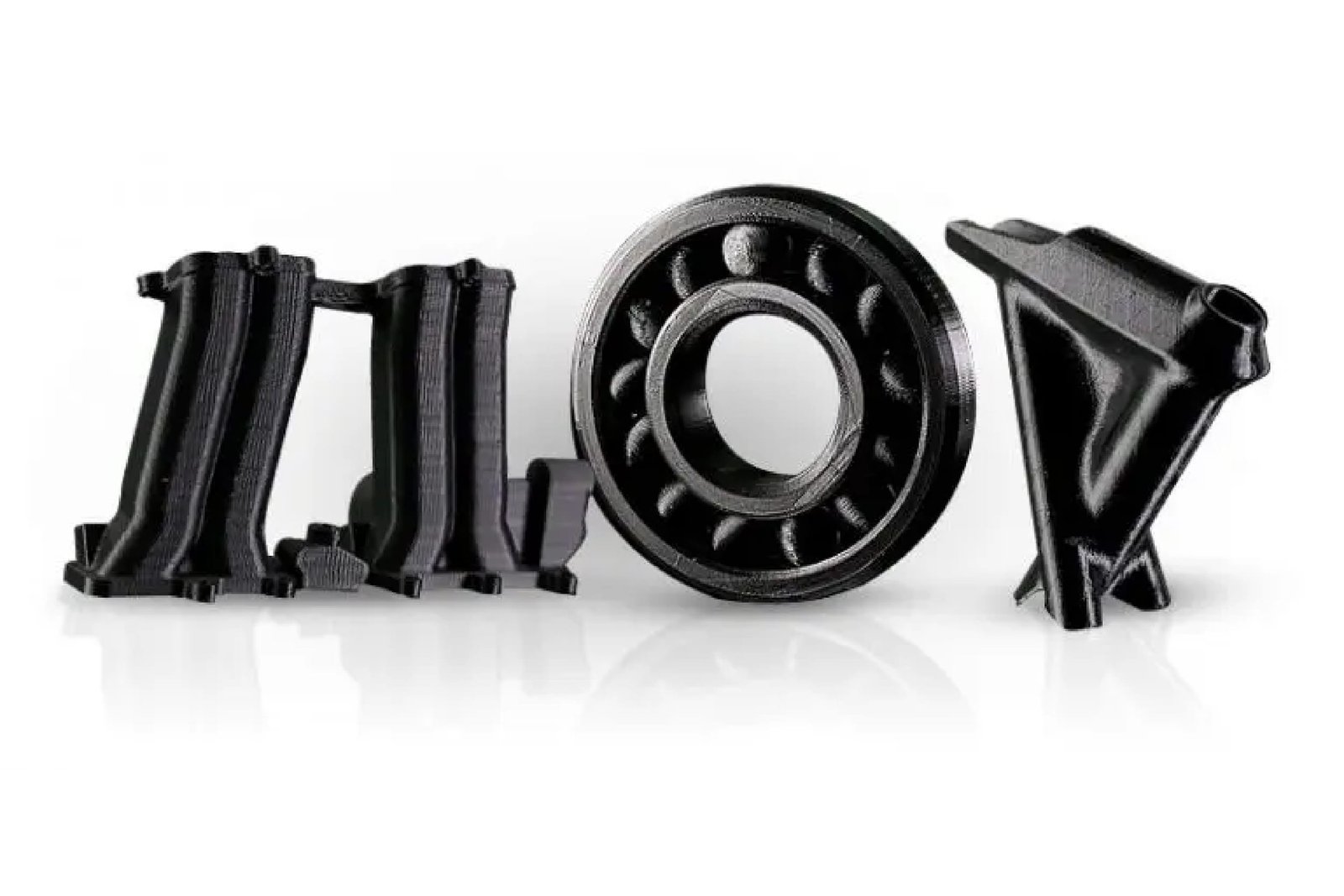
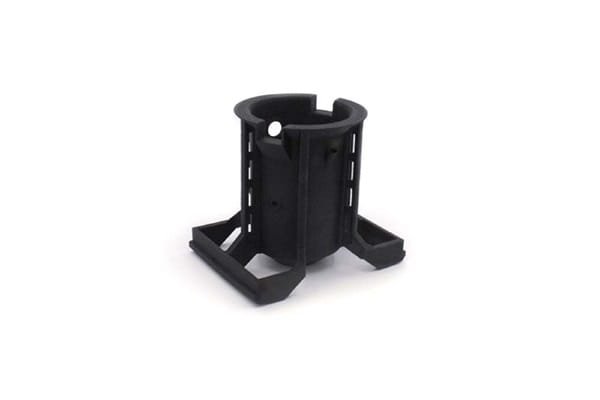
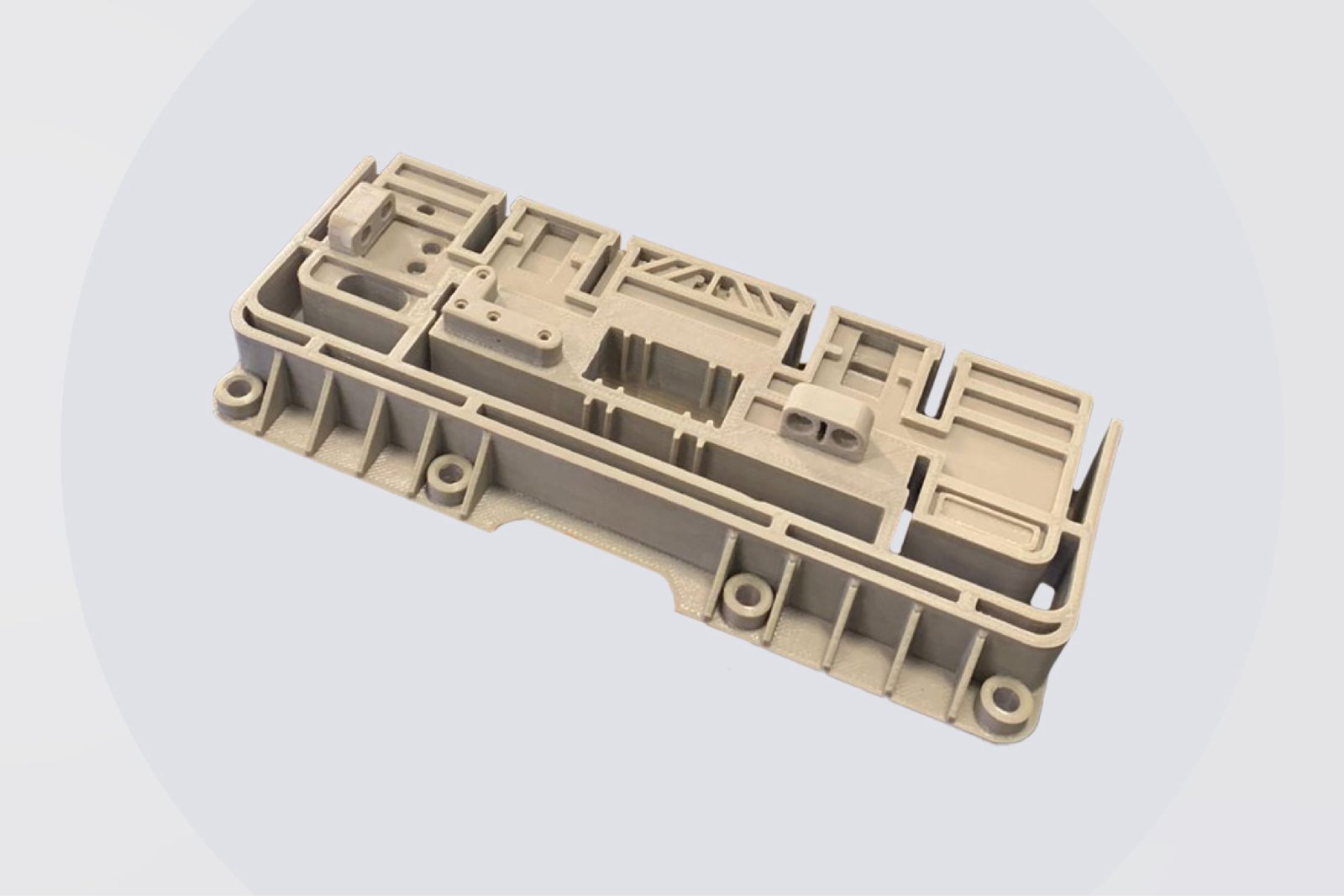
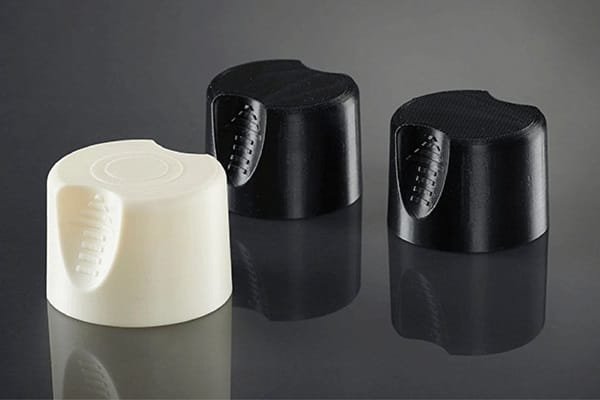
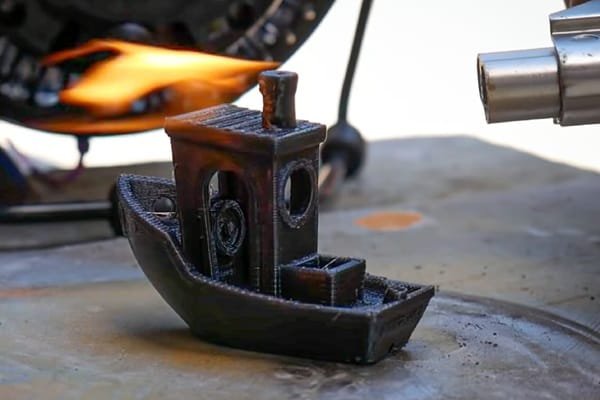
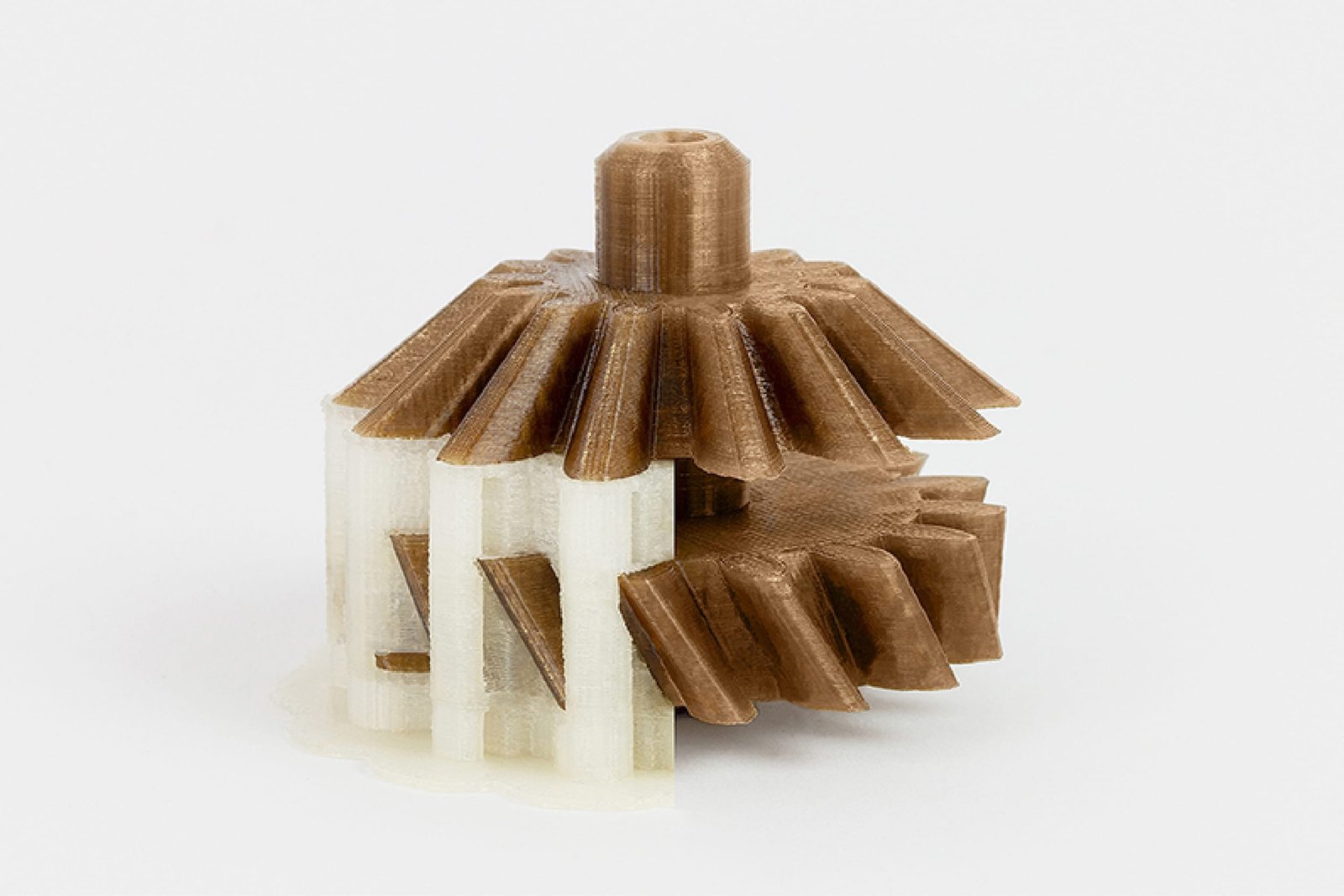
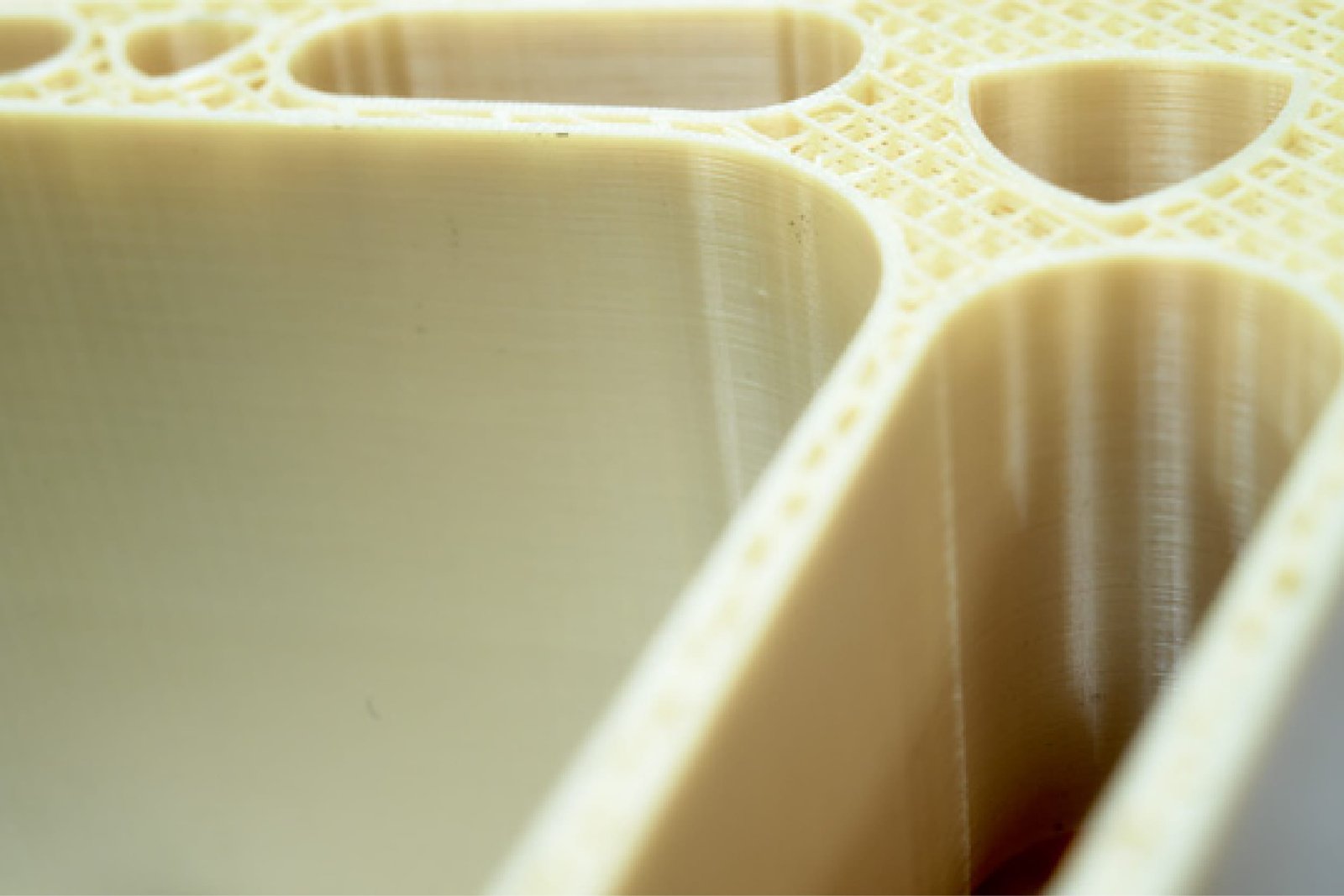
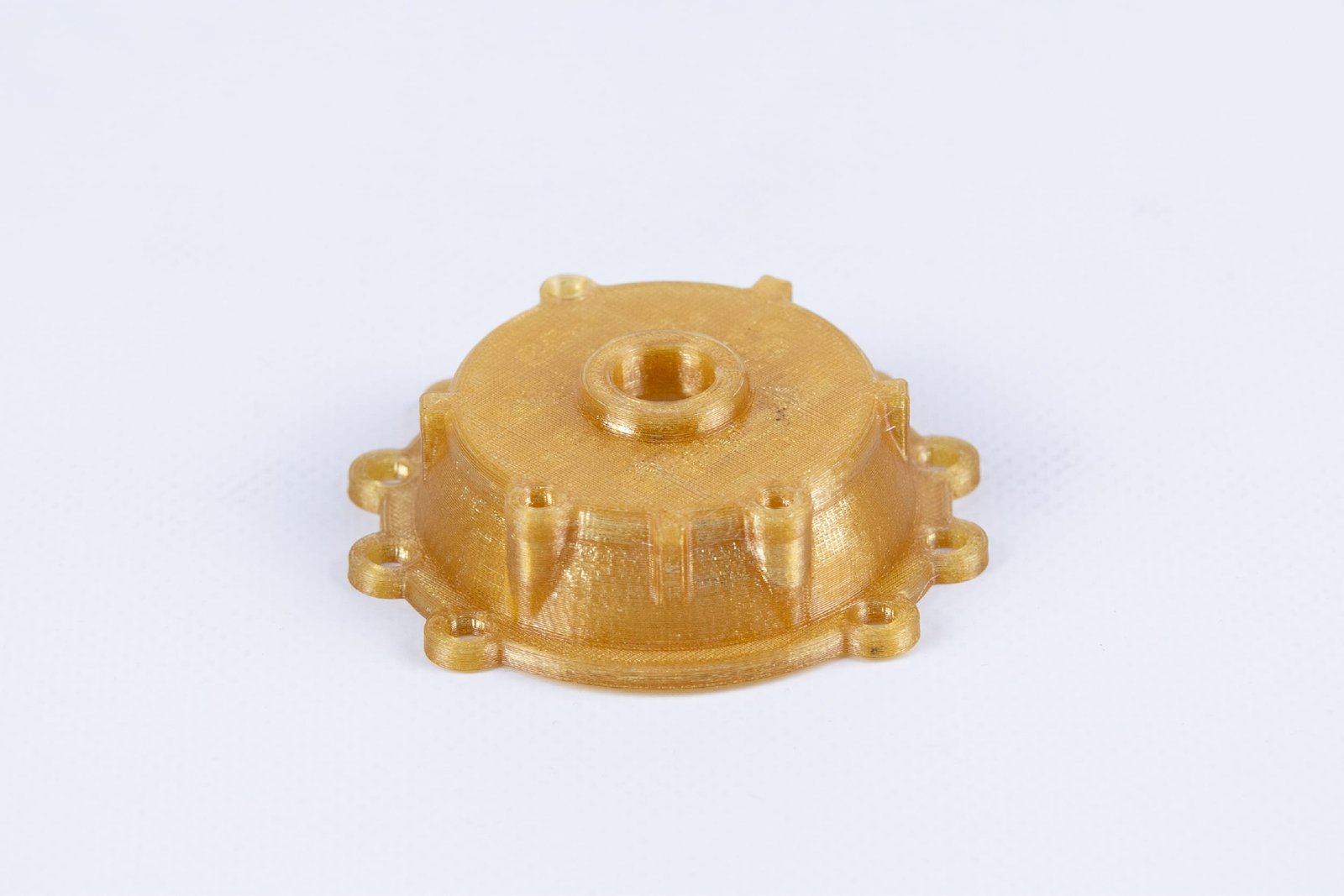
Fused Deposition Modelling (FDM), often referred to as Fused Filament Fabrication (FFF) serves the prototyping and manufacturing demands of diverse sectors. In FDM, the 3D printer heats a thermoplastic filament to its melting point and then selectively deposits it in a predetermined path layer by layer, to create a 3-dimensional object.
Tesseract proudly houses one of India’s most extensive FDM/FFF 3D Printing facilities, equipped with 100+ high-speed FDM machines of various build volumes. Whether it’s intricate prototypes or life-sized models, our in-house infrastructure delivers professional outcomes at competitive rates.
USP

Cost-Effective Solutions

Rapid Turnaround

Ideal for Testing
Sizeable Printing

Custom Finishes

Material Variety
Our Post Processing Offerings


Our Material Offerings
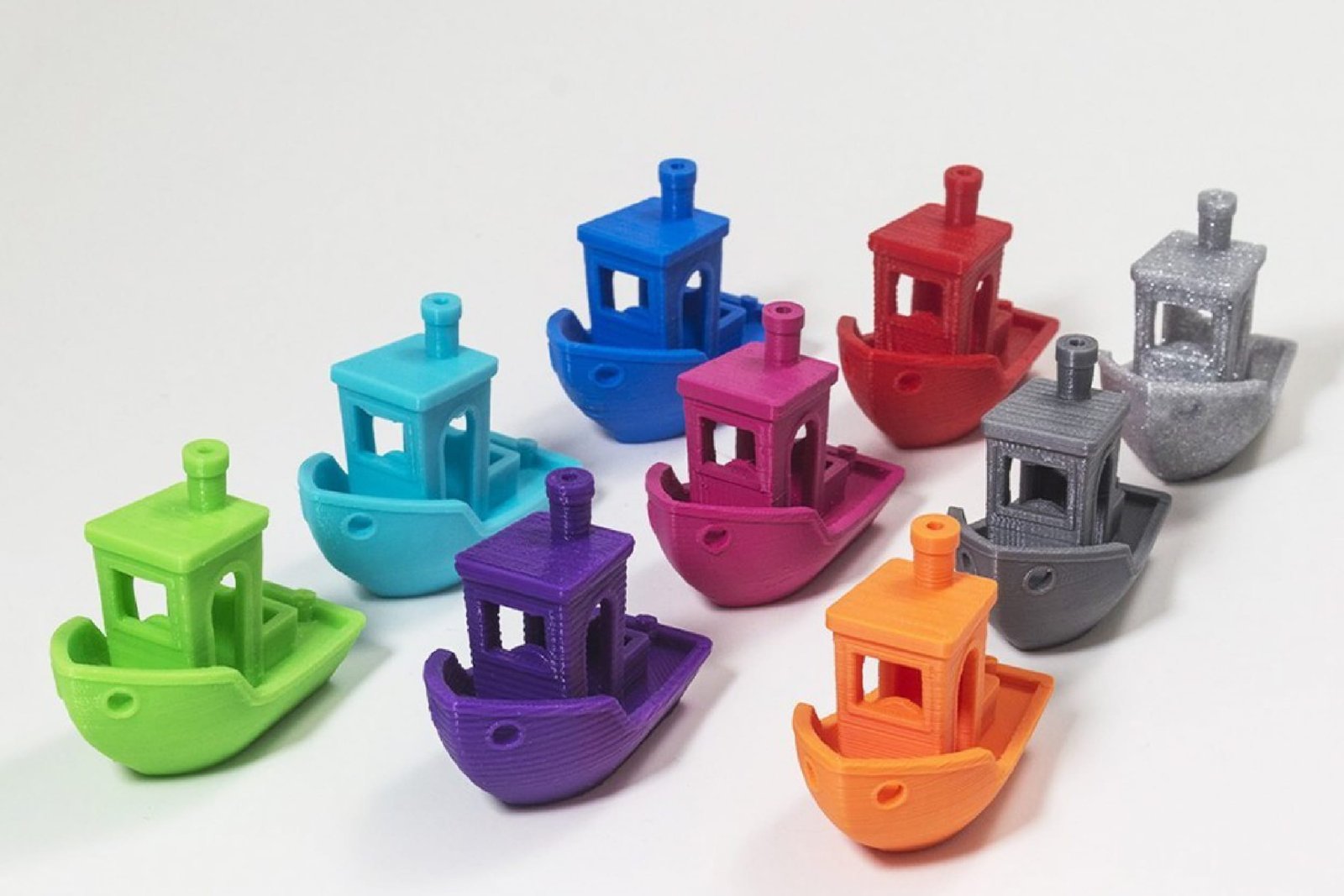
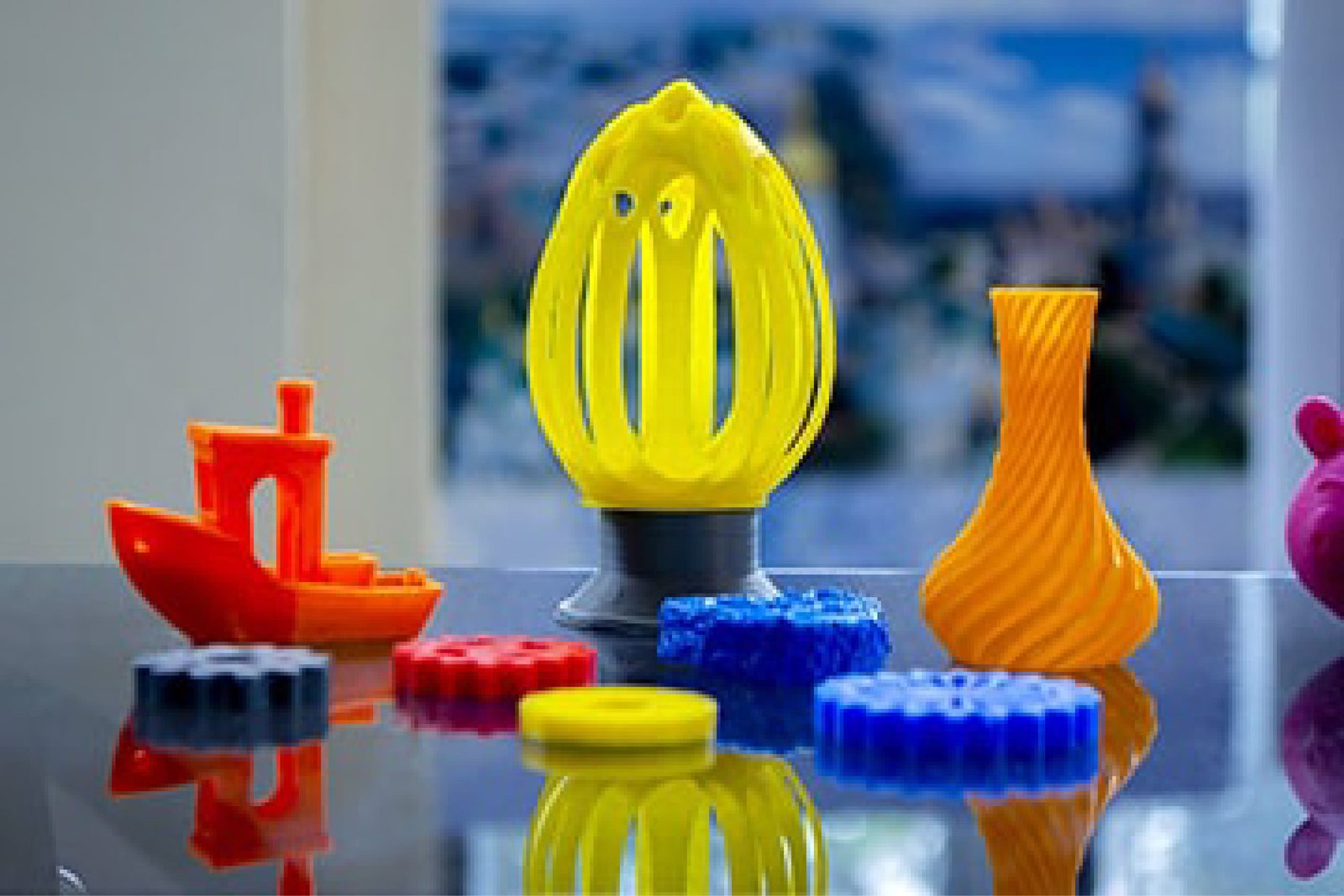
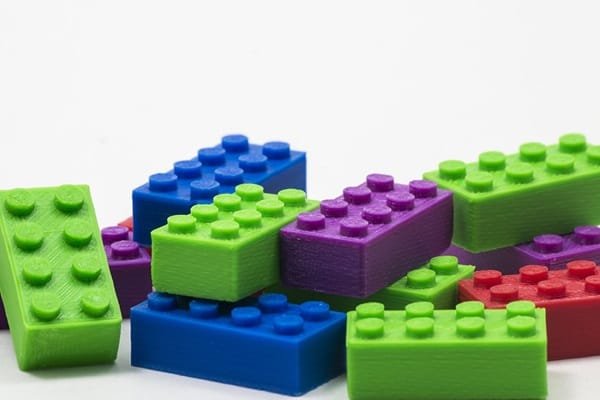
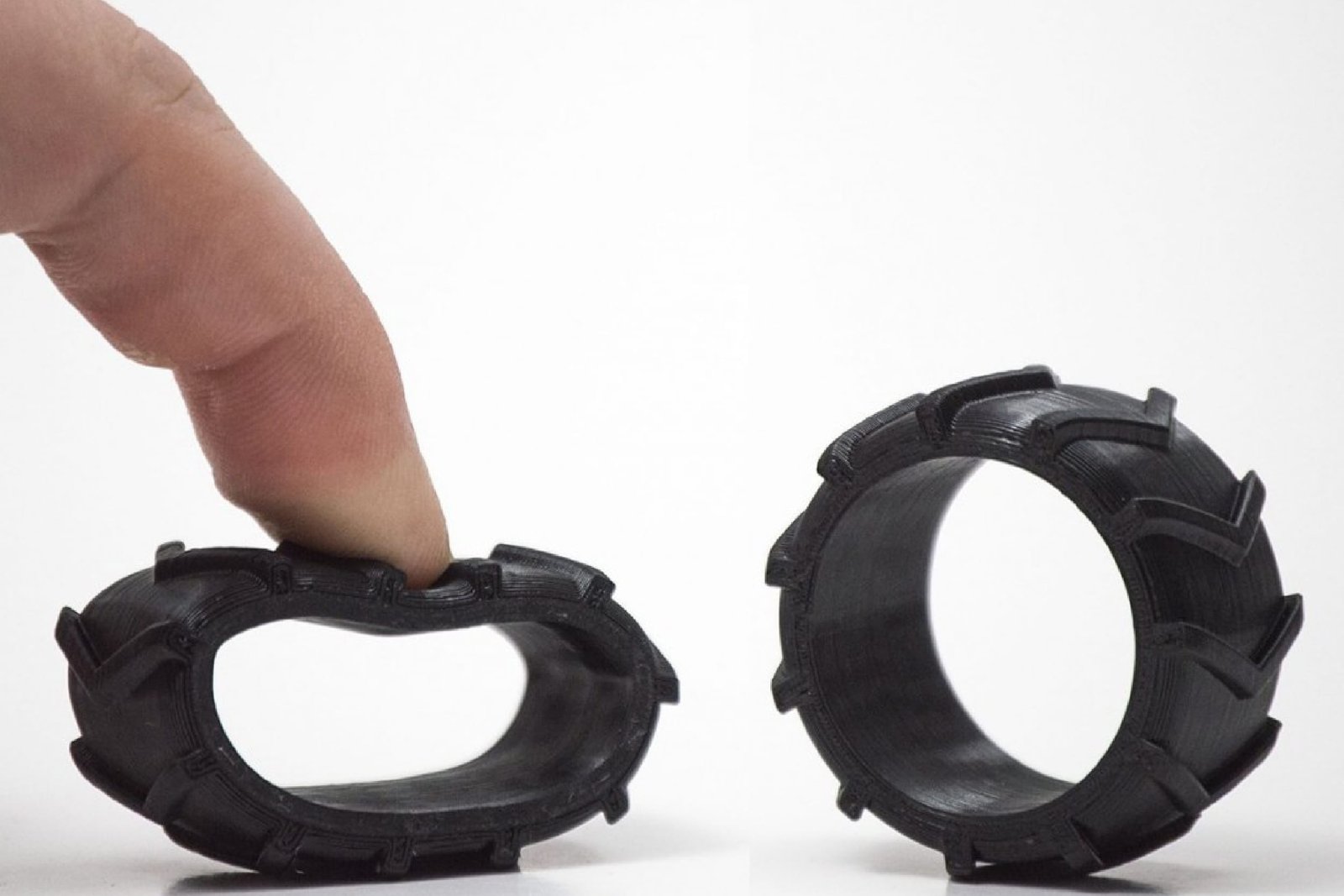
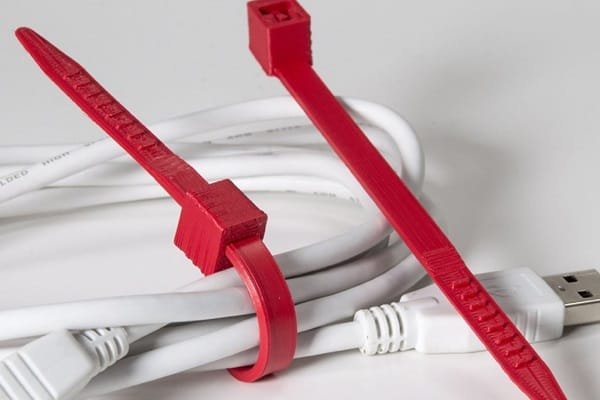
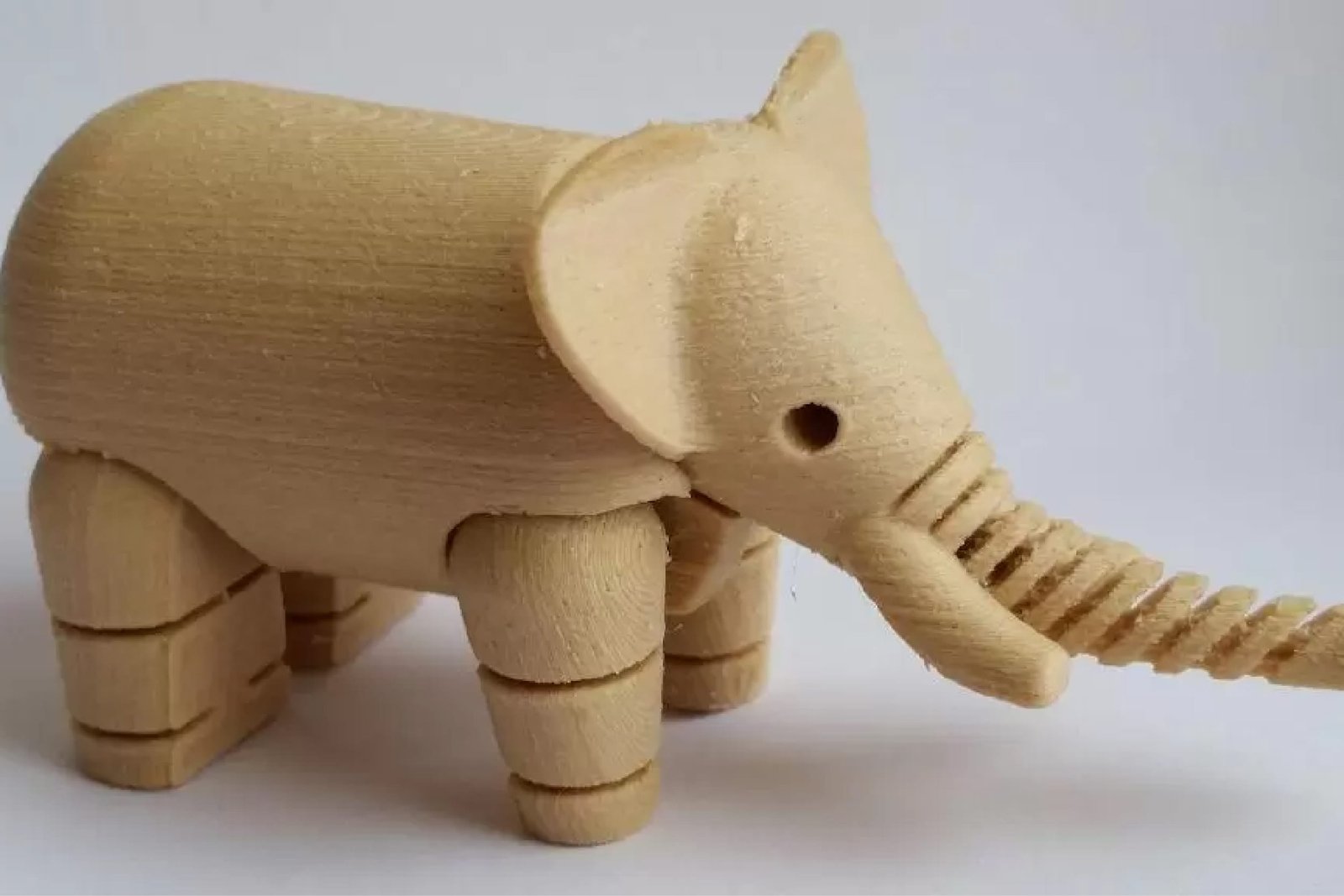
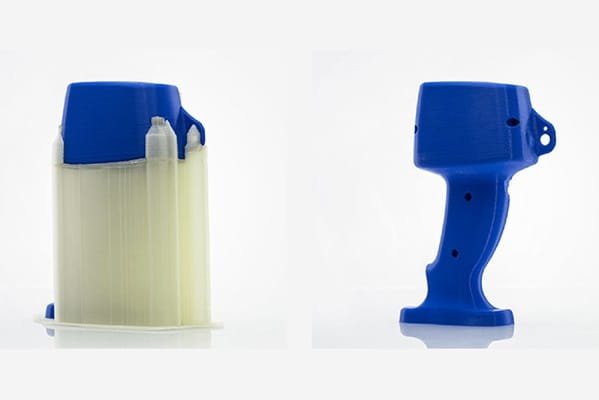
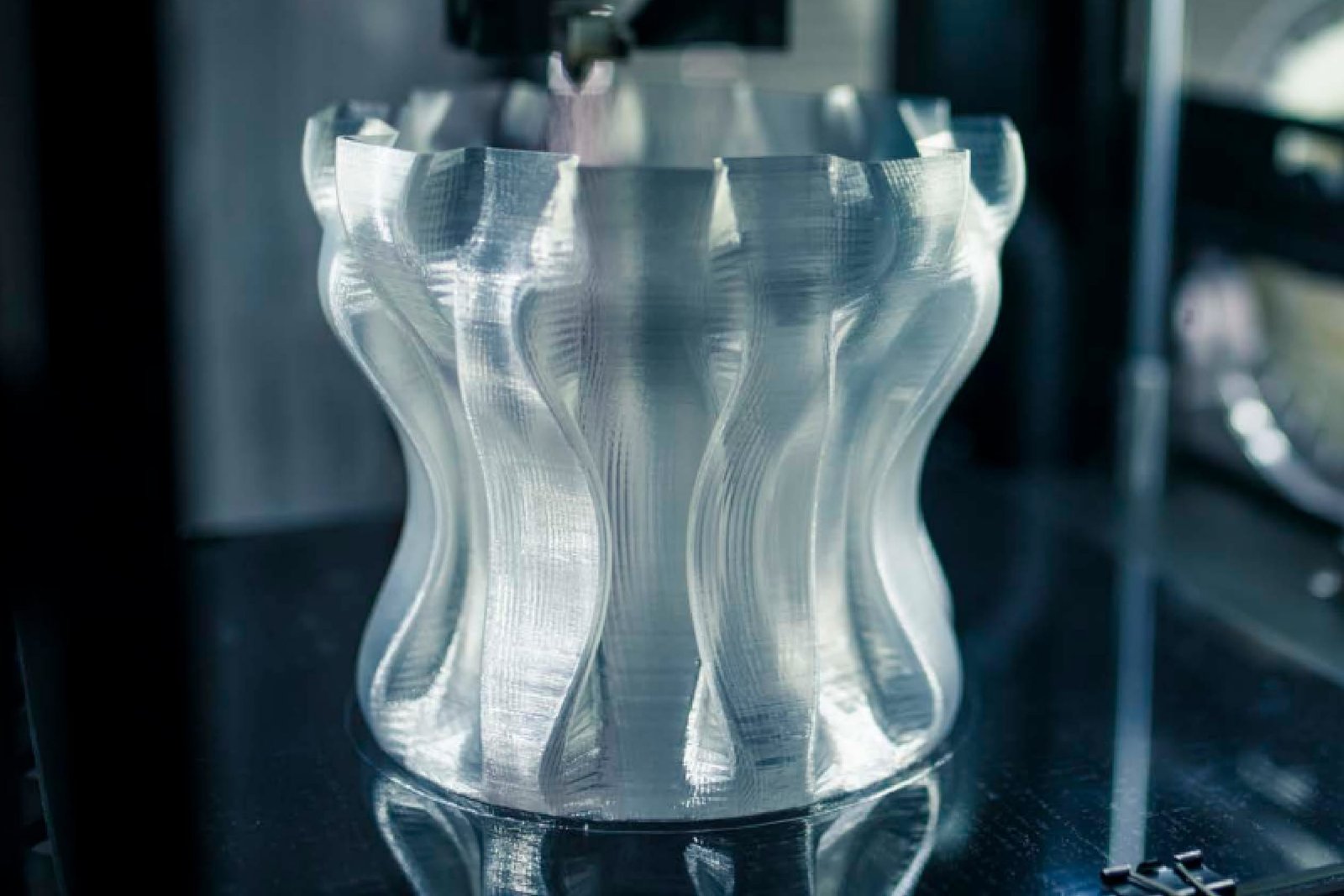
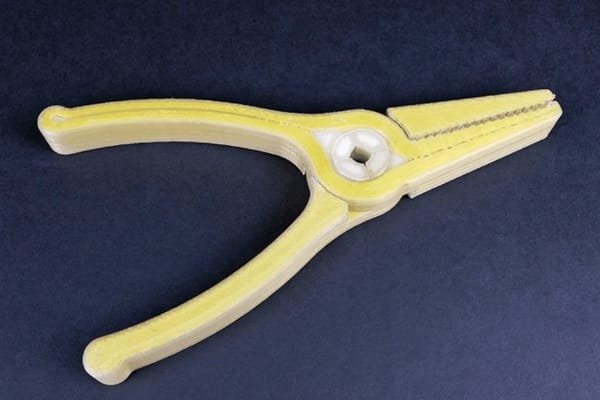
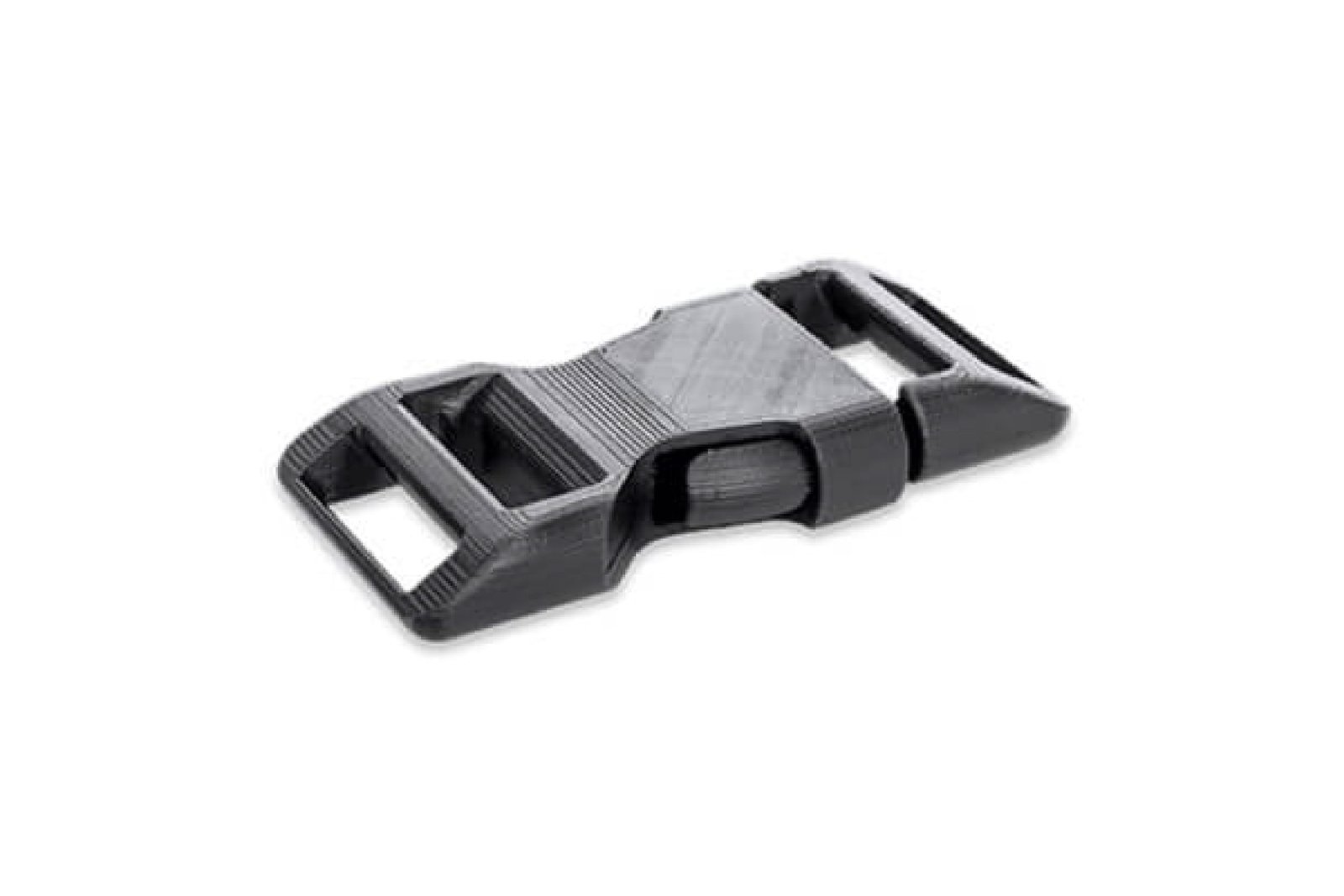
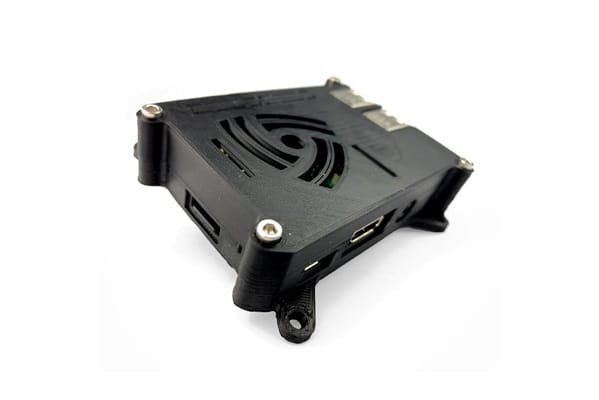
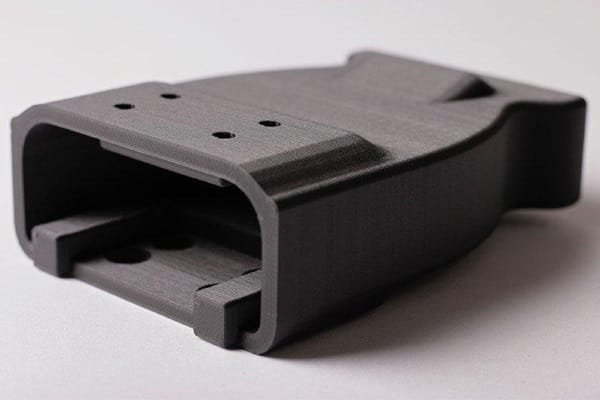
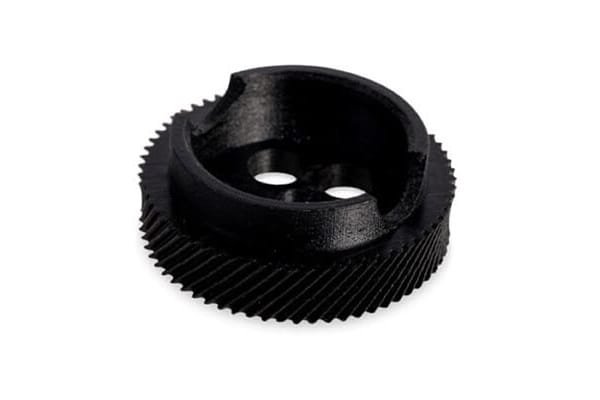
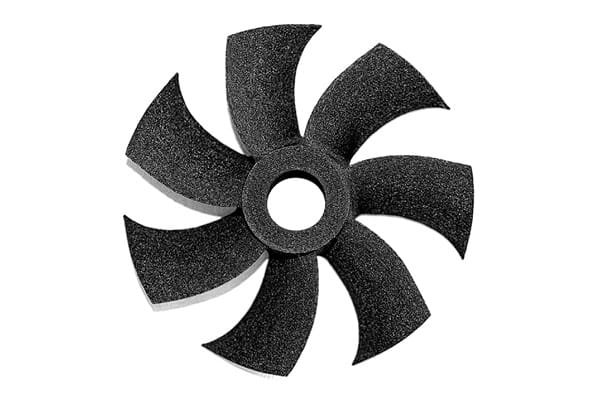
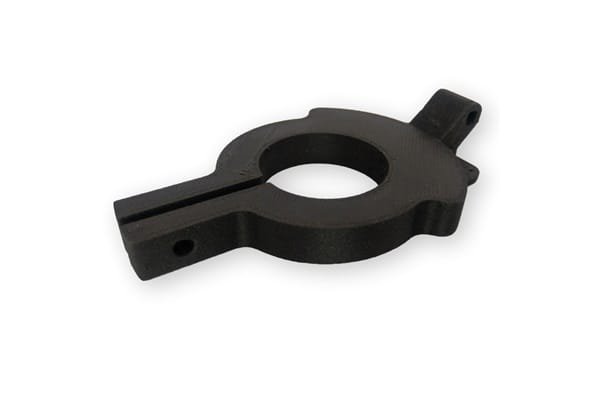
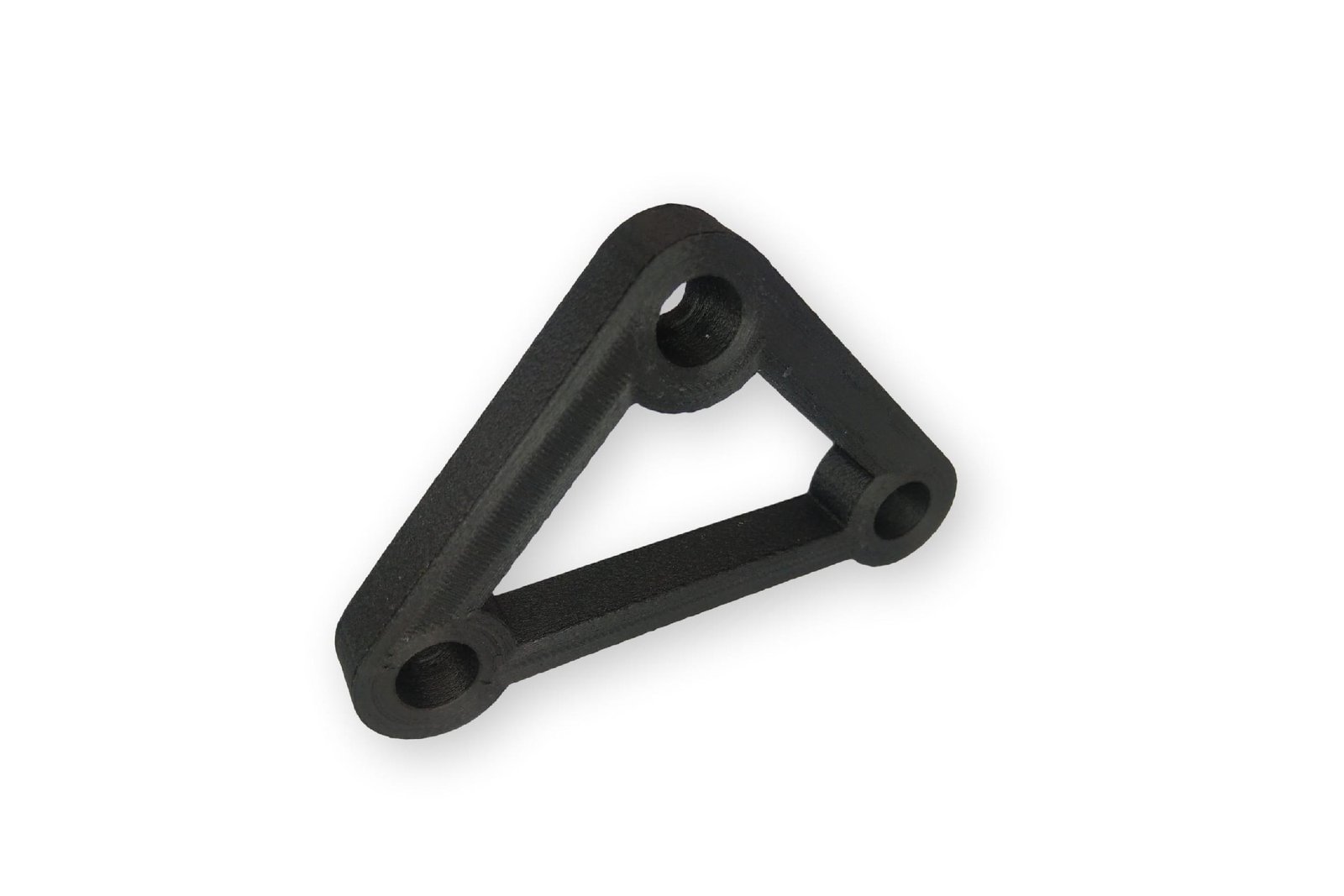
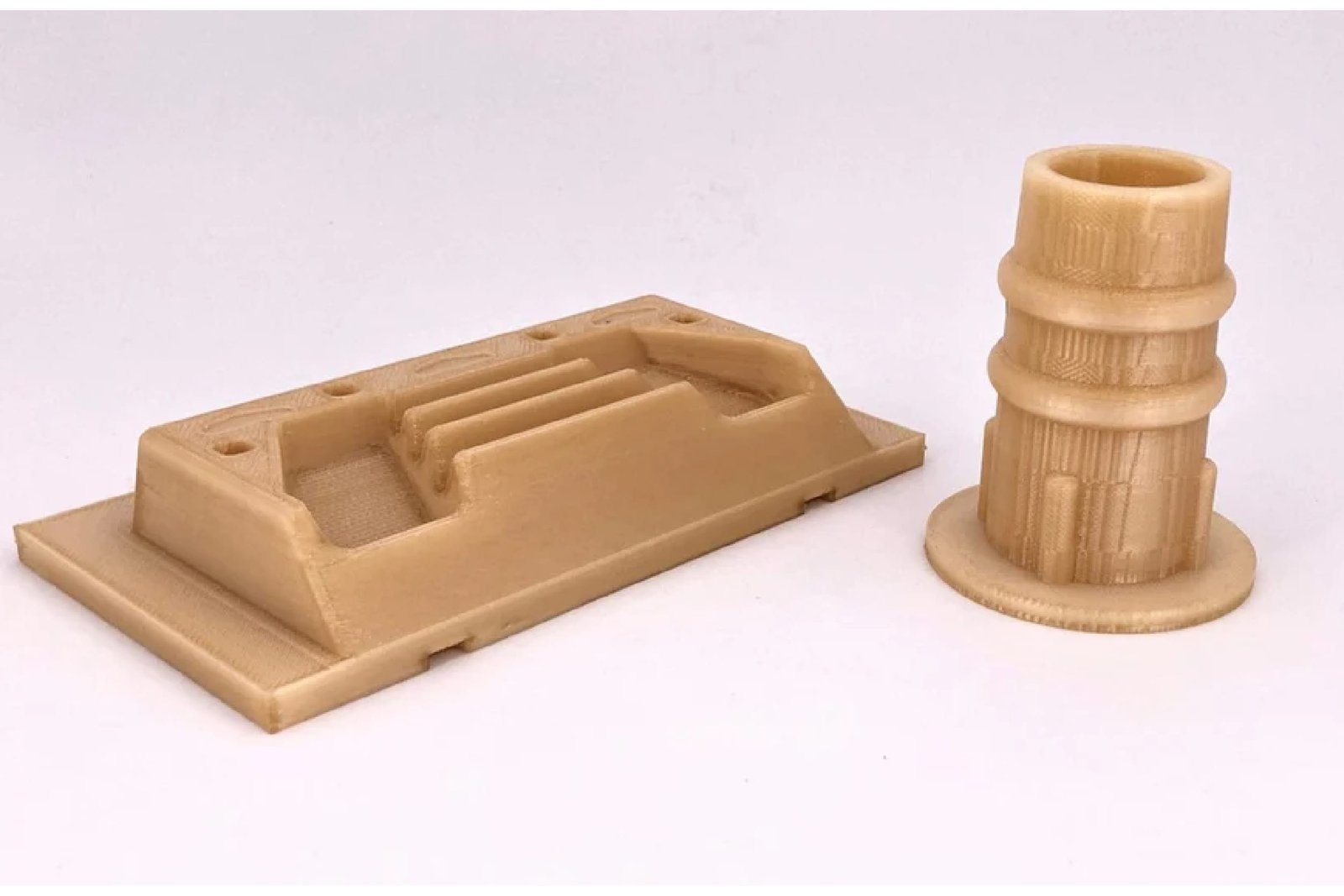
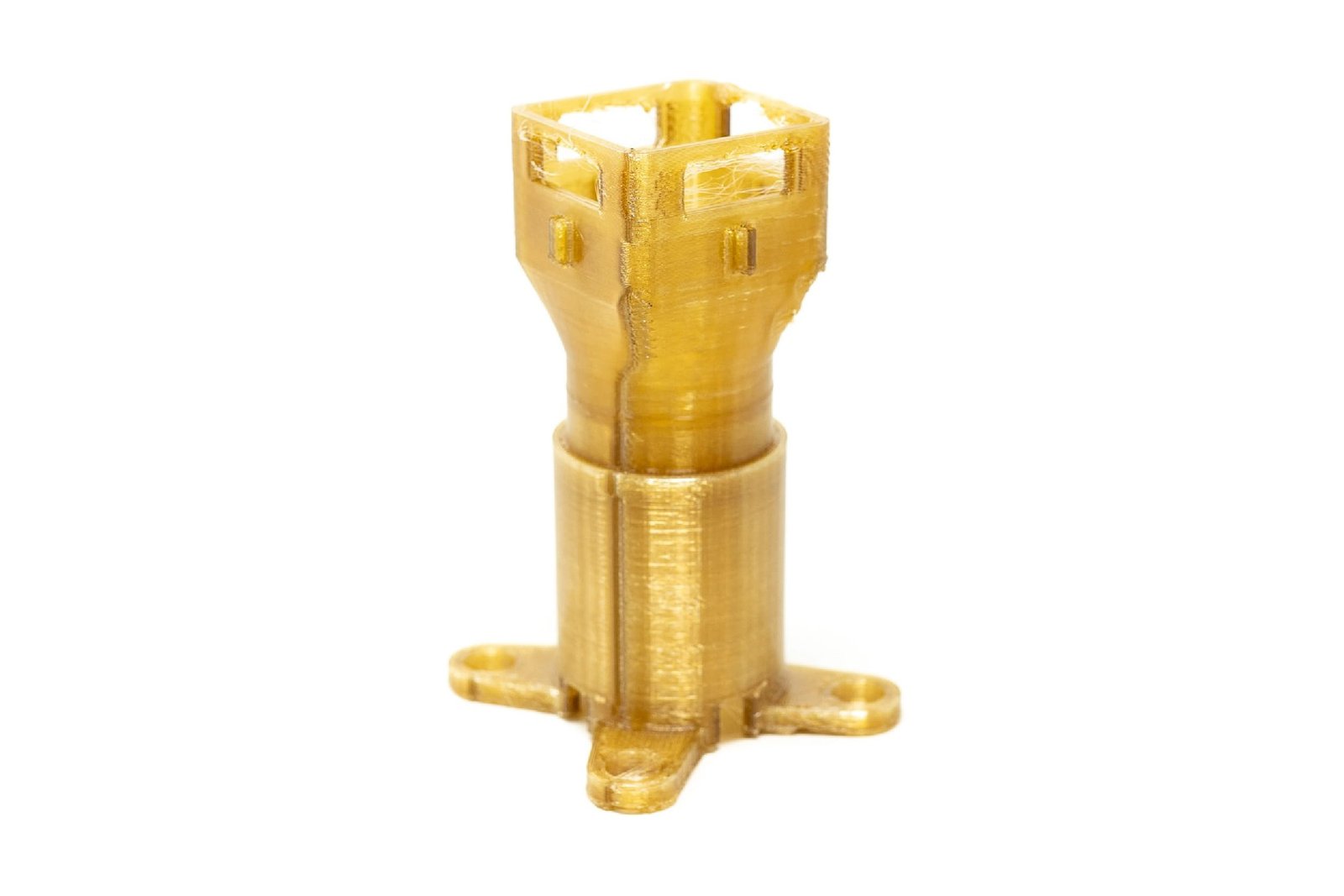
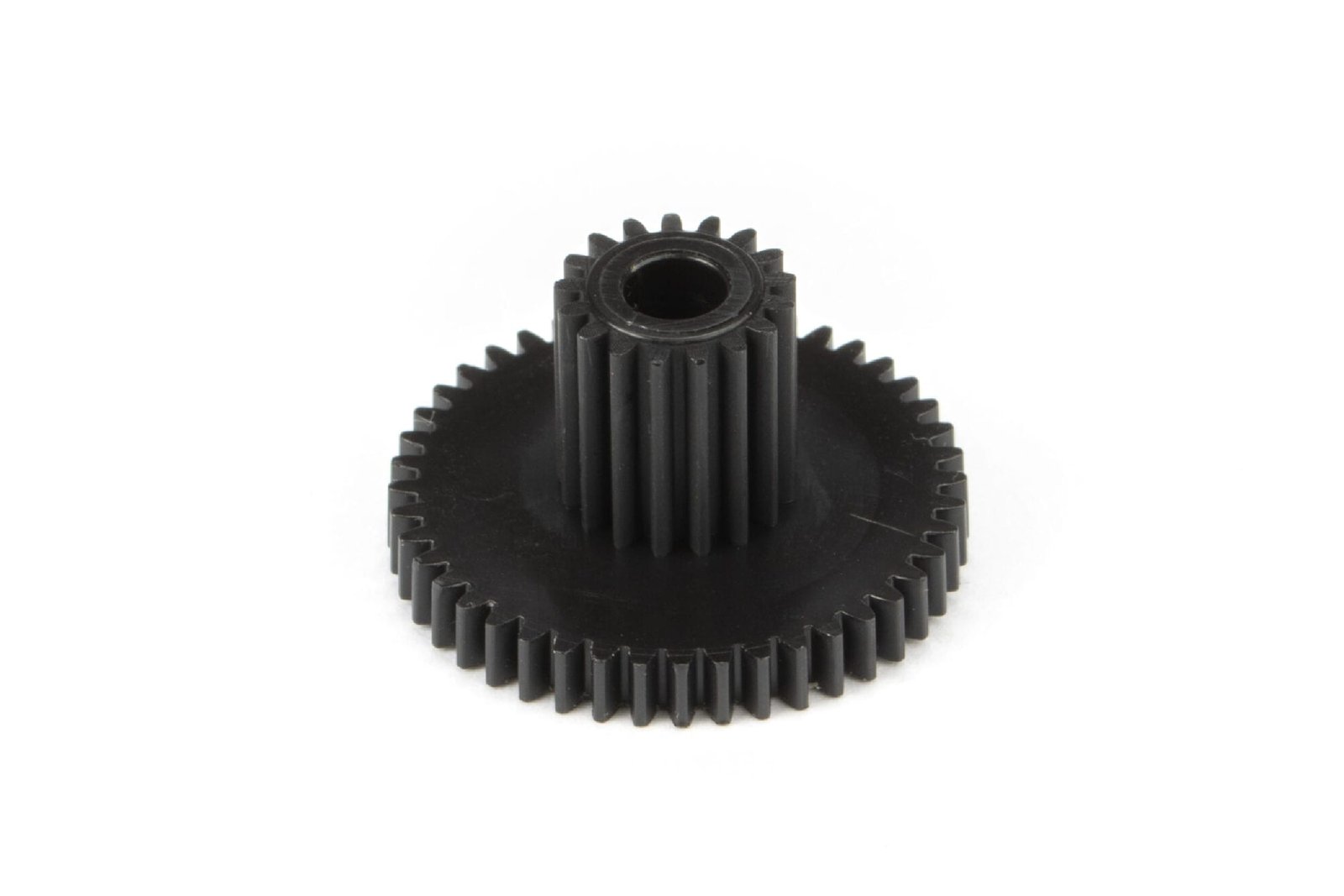
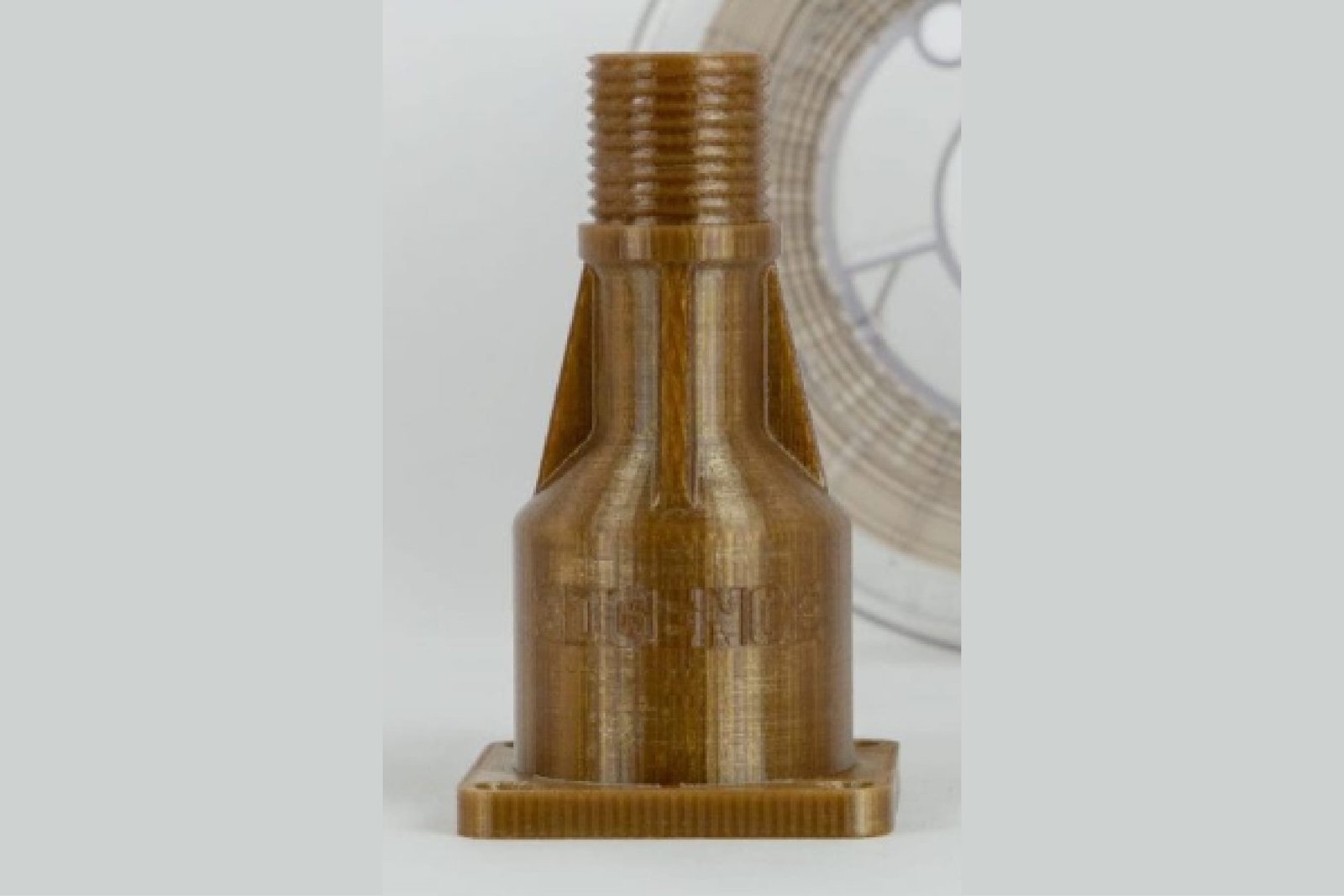
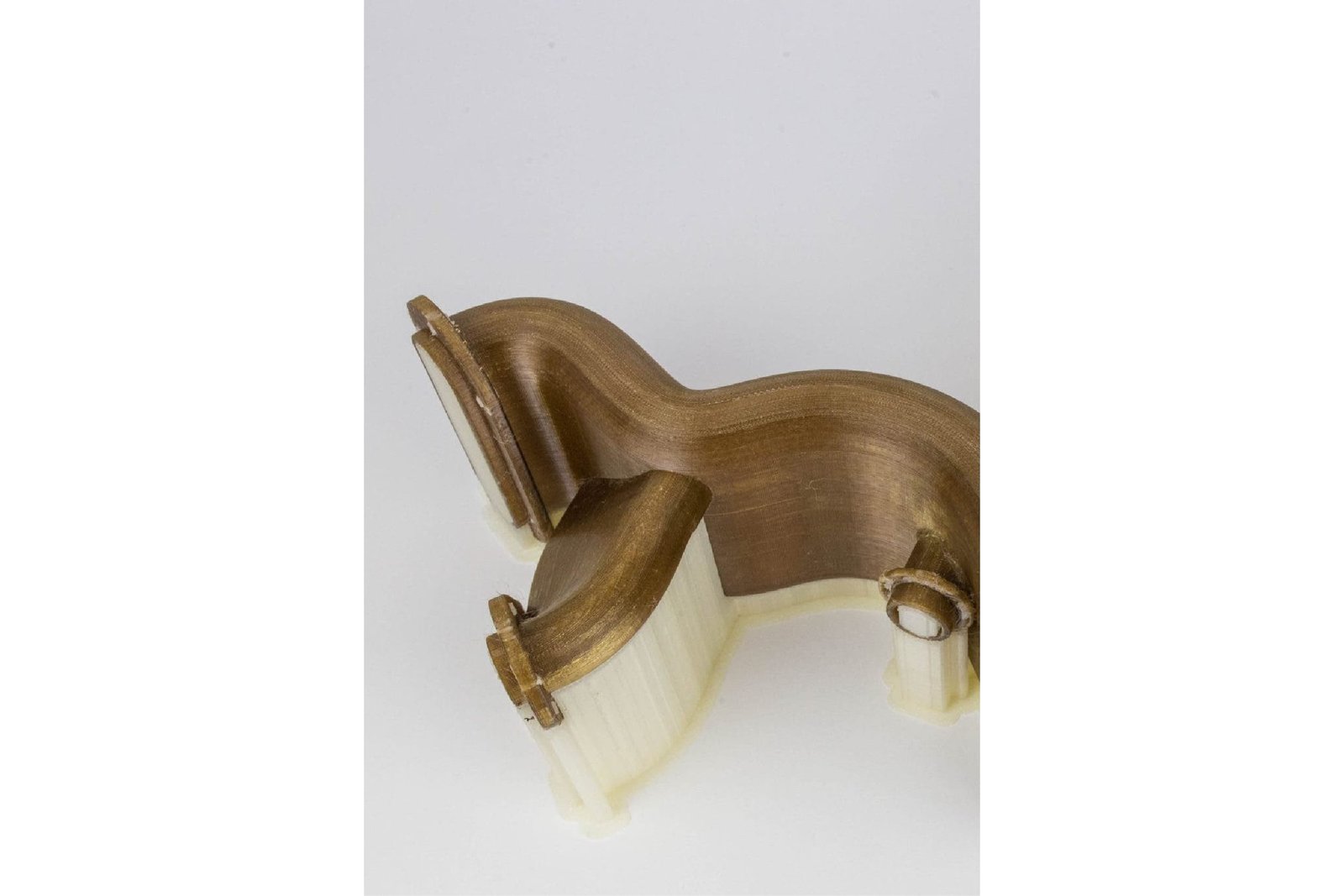
Industries
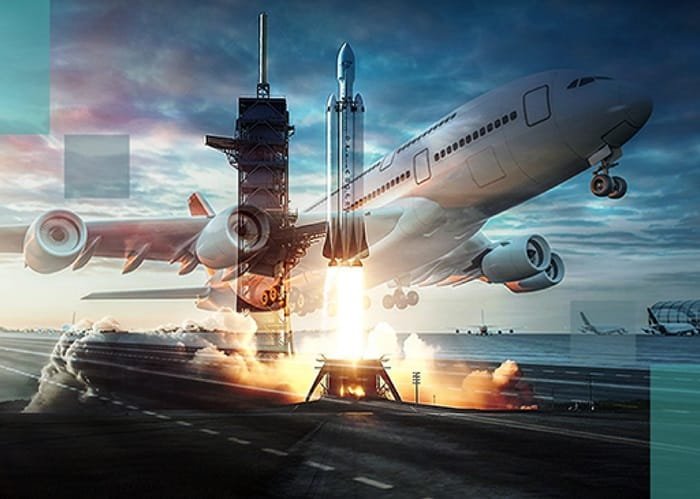
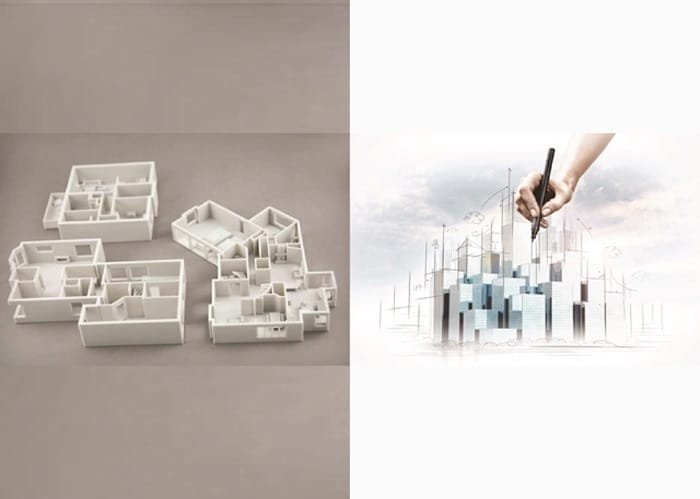
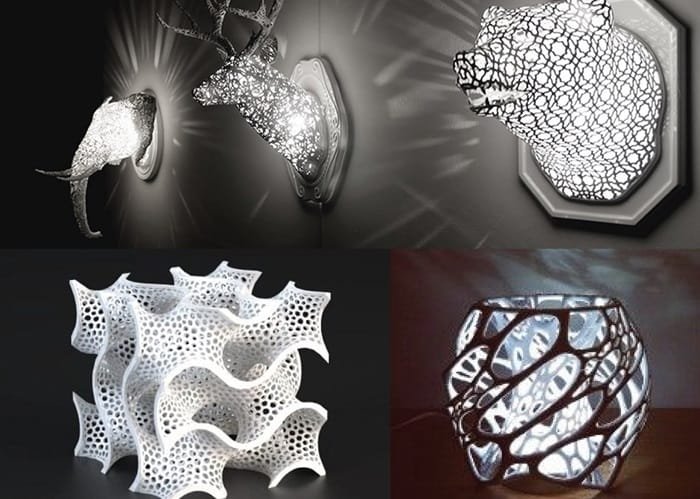
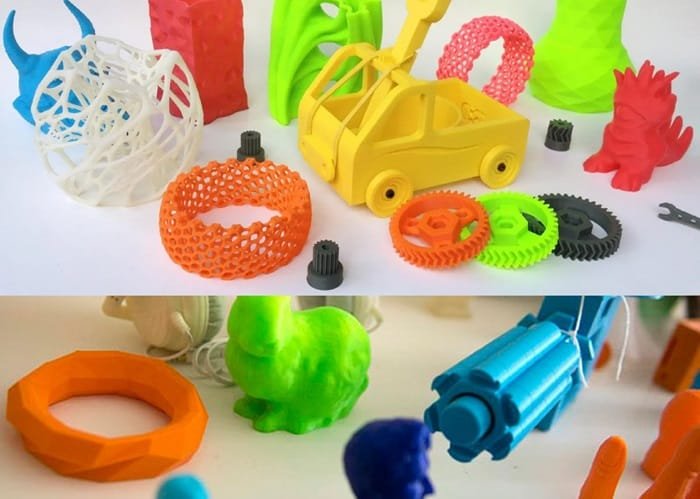
Why Choose Tesseract for Fused Deposition Modelling (FDM)?
FDM Fused Deposition Modelling for Fast, Affordable Prototypes and Large Parts
Fused Deposition Modelling (FDM), also known as Fused Filament Fabrication (FFF), is a 3D printing process that heats a thermoplastic filament to its melting point and deposits it along a predetermined path, layer by layer, to build a three-dimensional object. It serves the prototyping and manufacturing needs of diverse sectors. Our FDM 3D printing services in Mumbai deliver professional results at competitive rates, from intricate prototypes to life-sized models.
Tesseract houses one of India’s most extensive FDM/FFF 3D printing facilities, equipped with 100+ high-speed FDM machines of various build volumes. That capacity makes it possible to handle single prototypes, large parts and production runs in-house.
Benefits of FDM 3D Printing
Cost-Effective Solutions: Budget-friendly, quality production for prototypes and parts.
Rapid Turnaround: Swift production and delivery to meet project timelines.
Ideal for Testing: Well suited to form and fit tests and visual inspections.
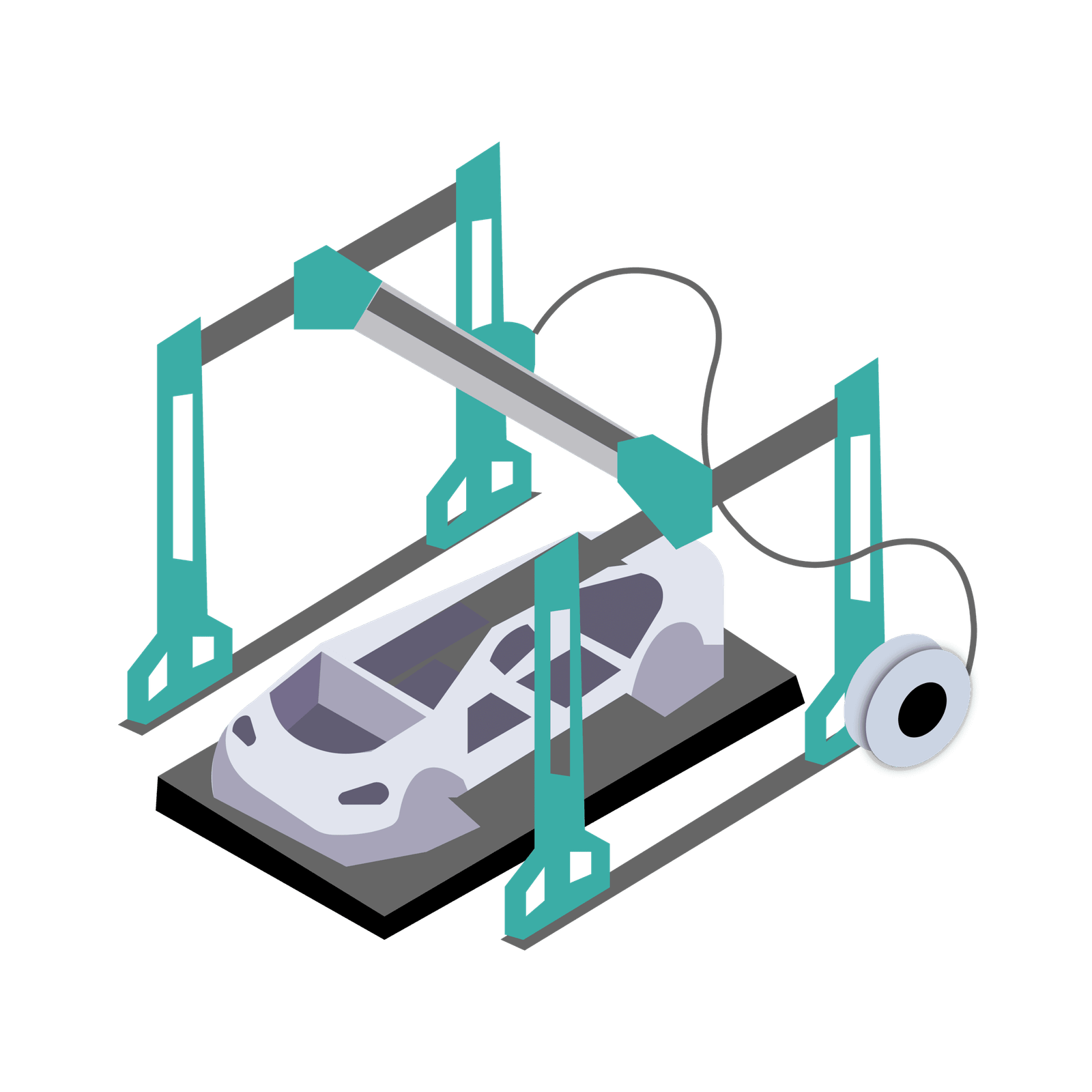
Sizeable Printing: The ability to produce quality large parts and life-sized models.
Custom Finishes: Sanding, painting and post-processing ready.
Material Variety: More than 20 materials, from everyday plastics to carbon fiber and high-performance composites.
FDM Capabilities at a Glance
Specification | Details |
Technology | Fused Deposition Modelling (FDM) / Fused Filament Fabrication (FFF) |
Machines | 100+ high-speed FDM machines of various build volumes |
Part size | Intricate prototypes to life-sized models |
Materials | 20+ commodity, engineering and fibre-filled thermoplastics |
Turnaround | Most 3D printing projects in 2 to 7 days, with expedited options |
File formats | STL, STEP, STP, IGES, OBJ |
Delivery | Across India |
How Fused Deposition Modelling Works
Digital Design: The 3D CAD model is sliced into layers and converted into machine instructions.
Feeding: A spool of thermoplastic filament is fed into a heated print head.
Melting and Deposition: The print head heats the filament to its melting point and deposits it along a predetermined path.
Layering: Each layer cools and bonds to the one below, building up until the three-dimensional object is complete.
Finishing: Parts can be sanded, painted and post-processed to the required look.
FDM Materials
The most common FDM materials each suit a different purpose:
PLA: Easy to print and affordable, ideal for prototypes and visual models.
ABS: Strong and durable, suited to functional parts.
PETG: Tough and versatile for everyday functional use.
TPU 95A: Flexible, rubber-like parts.
Engineering and high-performance options are also available:
Engineering: Polycarbonate (PC), PMMA, POM, PPSU, Fire Retardant ABS, Woodfill
Carbon Fiber Filled: Carbon Fiber PLA, Carbon Fiber PETG, Carbon Fiber ABS, PA12-CF20, PA66-CF20, PA6-CF20
Glass and Aramid Filled: PA6-GF30, PEKK-A-GF20, Kevlar
High Performance: PEEK
Where FDM Printing Is Used
Prototypes: Form and fit tests, visual inspections and design iterations.
Large Parts and Life-Sized Models: Big prints produced in-house across machines of various build volumes.
Jigs and Fixtures: Assembly line tooling with no minimum order quantity or dedicated tooling cost.
Production Runs: From a single rapid prototype to a large production run.
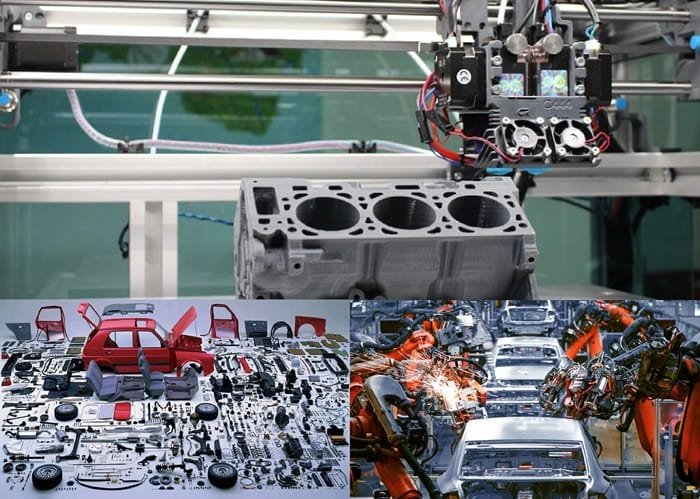
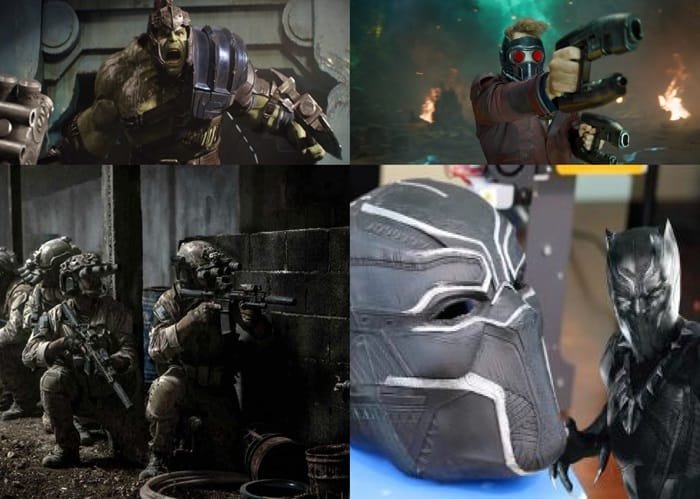
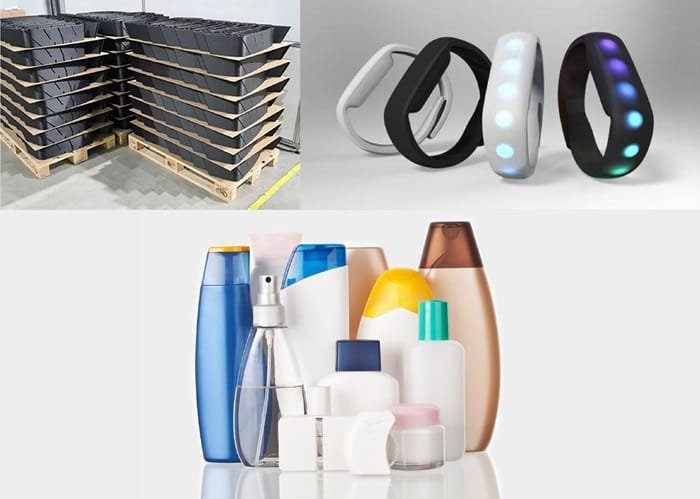
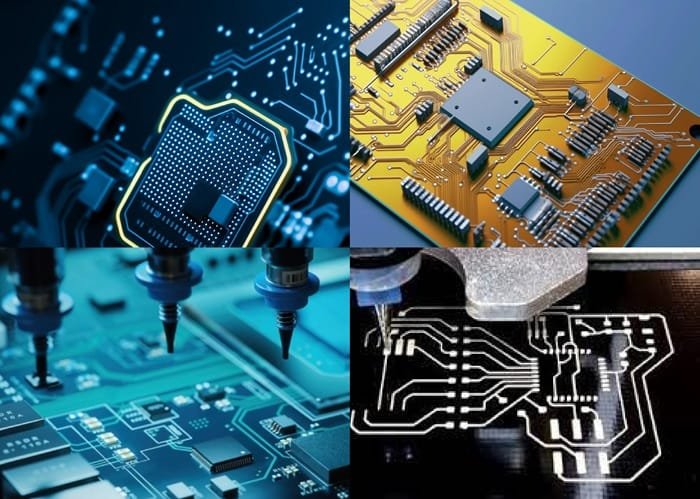
FDM 3D printing serves professionals across engineering, architecture, automotive, IoT, sculpture and innovative start-ups.
Choosing Between FDM, SLA, DLP and SLS
Process | Best For |
FDM | Cost-effective prototypes, large parts and form and fit testing |
Smooth surfaces and fine detail | |
High-resolution prototypes | |
Strong nylon parts with complex geometries, printed without supports |
All four processes run under one roof, so the team can recommend the right one for your part.
Post Processing Offerings
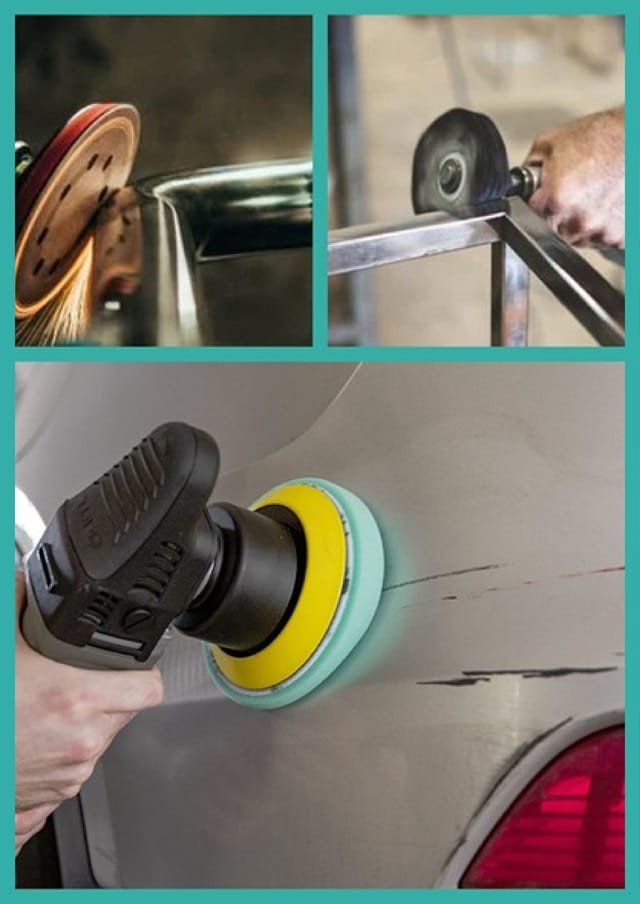
FDM parts are post-processing ready. Finishing options include sanding, painting, buffing and polishing, hydro-dipping, hydro-chroming and laser engraving.
Why Choose Tesseract for Your FDM 3D Printing Service
With over a decade of experience in 3D printing and design, Tesseract brings a team of skilled engineers and designers who are experts in FDM technology. Founded in 2016, the company operates from a head office in Prabhadevi, Mumbai and a 5,000+ sq. ft. factory in Boisar.
Precision and Quality Control: State-of-the-art printers, advanced software and rigorous quality control for accurate, detailed parts.
Continuous Innovation: Ongoing exploration of new materials, techniques and technologies.
Dedicated Support: Guidance and answers throughout the entire 3D printing process.
Speed at Scale: Efficient processes deliver quality parts quickly, from a rapid prototype to a large production run.
Design Support: Sketches and 2D drawings turned into accurate 3D models through 3D product design, or existing parts captured with 3D scanning.
Delivery Across India: Projects are shipped across India from the Mumbai and Boisar facilities.
Closing CTA: Ready to print your next prototype or large part? Upload your design (STL, STEP, STP, IGES or OBJ) for an instant quote, call +91 81698 12438 or email contact@tesseract3d.com.
FAQ
FDM (Fused Deposition Modelling), also called FFF, is a 3D printing process that melts a thermoplastic filament and deposits it layer by layer along a predetermined path to build a part.
No. FDM is the 3D printing process, while PLA is one of the materials used in it, alongside ABS, PETG, TPU and many others.
It depends on the part. FDM is more cost-effective for prototypes and large parts, while SLA cures resin for smoother surfaces and fine detail.
Pricing varies based on material, size and complexity, and FDM is among the most cost-effective 3D printing options. Uploading your design is the quickest way to get an instant quote.
Yes. With 100+ FDM machines of various build volumes, large parts and life-sized models can be printed in-house.

