
Vacuum Casting

Unlocking Creation
Vacuum Casting is a versatile manufacturing technique designed to produce functional parts in limited volumes. This process leverages two-component polyurethane and silicone moulds to create high-quality plastic parts with finishes akin to those achieved through injection moulding. The quality of the master model, typically crafted via SLA, is pivotal in maintaining excellence throughout production.
USP

Highly Detailed Parts

Material Variety

Swift Turnaround

Low Volume Production
Our Post Processing Offerings



Our Material Offerings
Industries

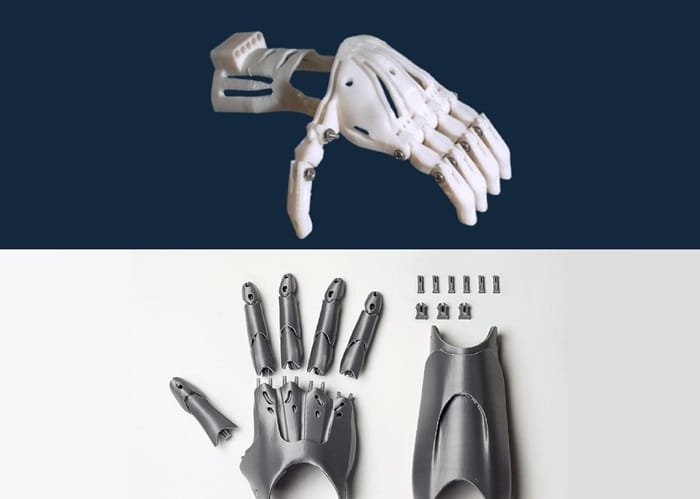
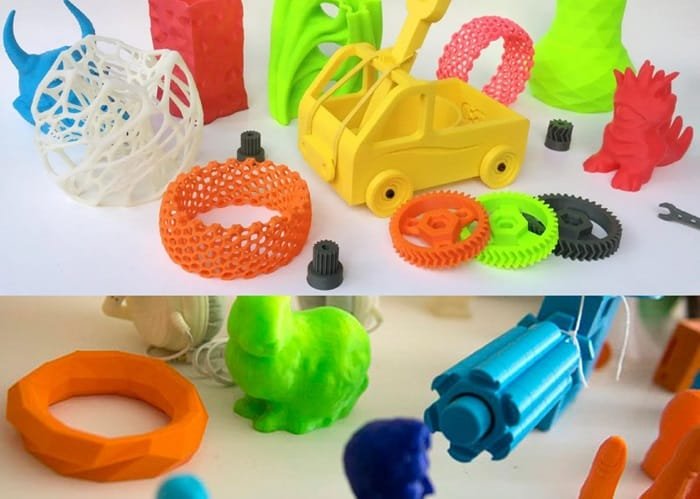
Unlocking Creation, from Master Model to Finished Part
Vacuum casting is a low-volume manufacturing process that casts two-component polyurethane into silicone moulds. It produces plastic parts with finishes close to injection moulding, without the cost of hard tooling. Our vacuum casting services in Mumbai make high-quality parts for functional prototypes, pre-production testing, and short production runs.
The quality of every cast part starts with the master model. That master is typically made through SLA 3D printing, which gives the silicone mould a smooth, accurate reference, so the detail carries through to every part cast from it.
Benefits of Our Vacuum Casting Services
Highly Detailed Parts: Intricate features reproduced at exceptional resolution.
Material Variety: A broad range of rigid, flexible, transparent, and coloured materials.
Swift Turnaround: Rapid production cycles that keep product development on schedule.
Low Volume Production: Efficient manufacturing of limited quantities, without the investment traditional tooling demands.
How the Vacuum Casting Process Works
Master Model: A high-accuracy master is 3D printed, typically using SLA, and finished to the surface quality the final parts need.
Silicone Mould: Liquid silicone is cured around the master to capture its geometry and surface finish.
Casting Under Vacuum: Two-component polyurethane is cast into the mould inside a vacuum chamber. The vacuum removes air bubbles, so each part comes out dense, precise, and free of voids.
Finishing: Parts move into post-processing to meet the required look and function.
Vacuum Casting vs Injection Moulding: Choosing by Quantity
The deciding factor is usually quantity. For runs under 50 units, vacuum casting is almost always the better choice because there is no steel or aluminium tooling to cut. For large production quantities, injection moulding becomes the more economical choice.
Factor | Vacuum Casting | Injection Moulding |
Tooling | Silicone mould from a 3D-printed master | Machined steel or aluminium mould |
Best quantity | Low volumes, typically under 50 units | High volumes |
Materials | PU resins that mimic ABS, PC, PP and more | Production-grade thermoplastics |
Mould life | Around 20 to 25 casts per silicone mould | Highly repeatable across long runs |
Design changes | Quick and inexpensive, just remake the master | Costly once tooling is cut |
Many teams use casting as a stepping stone, testing and refining a design in small numbers before investing in production tooling. See our full comparison of vacuum casting vs injection moulding for low-volume runs.
Where Silicone Moulding Fits Best
- Functional prototypes for testing form, fit and function
- Pre-production parts for market evaluation before committing to tooling
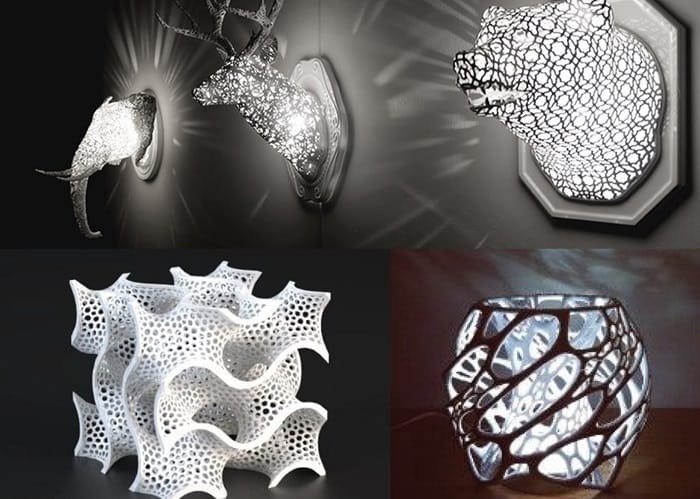
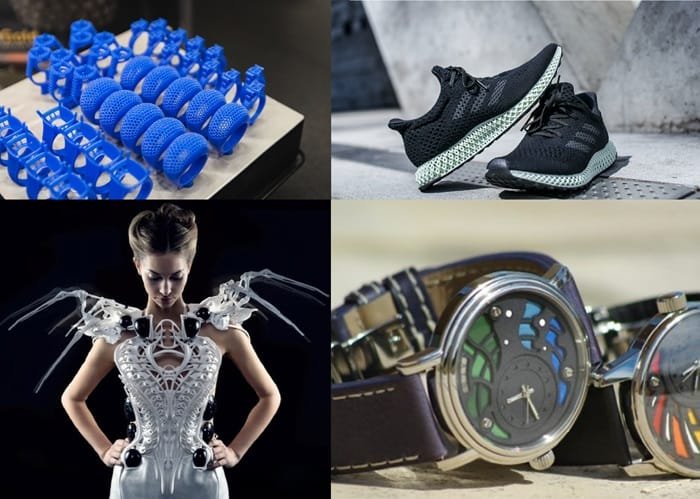
- Limited-edition and short-run products
- Plastic housings, covers and enclosures that complete an assembly
- Multiple identical props and display pieces, such as props for TV series production
Post Processing Offerings
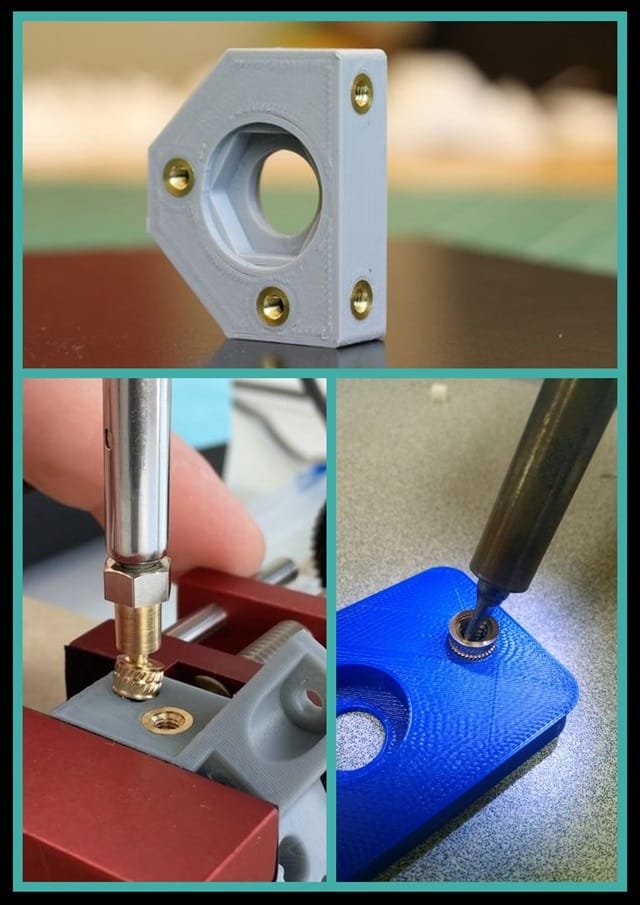
Cast parts can be finished in-house to match your product’s final appearance and performance requirements.
Material Offerings
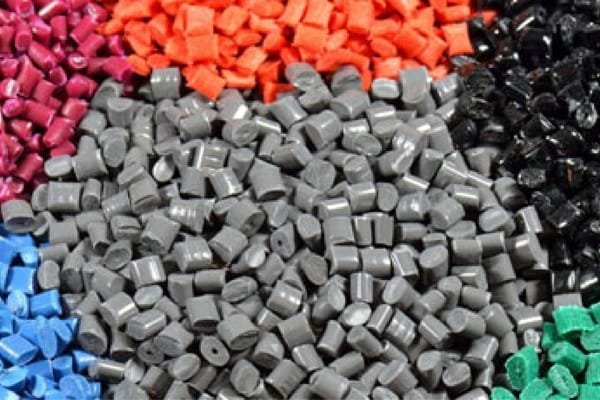
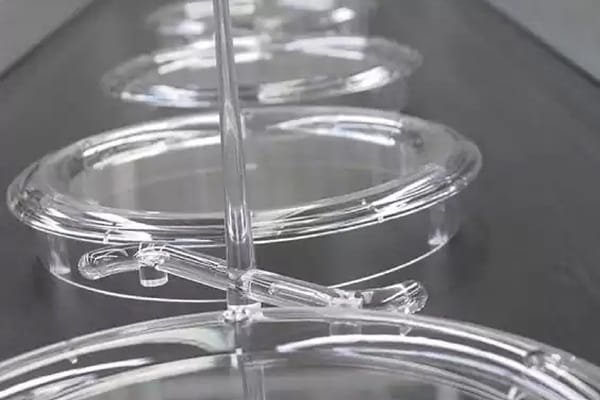
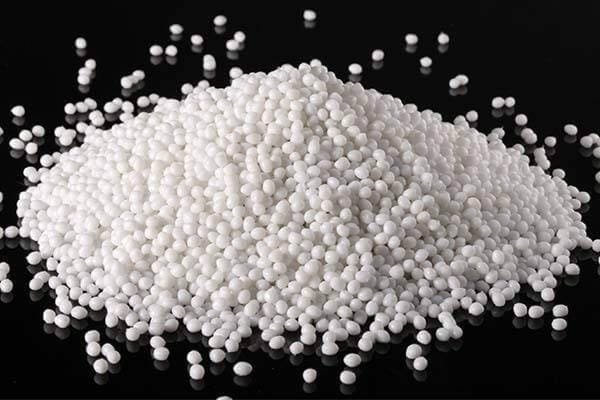
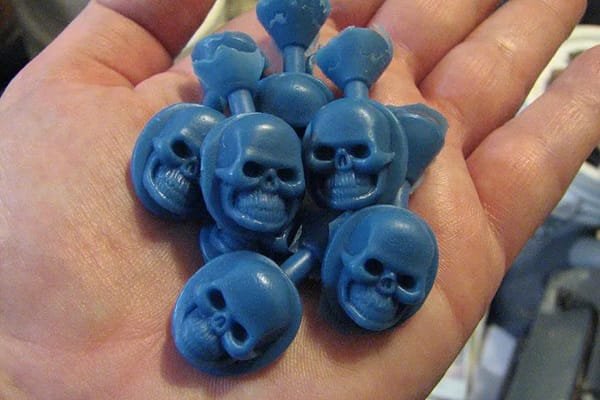
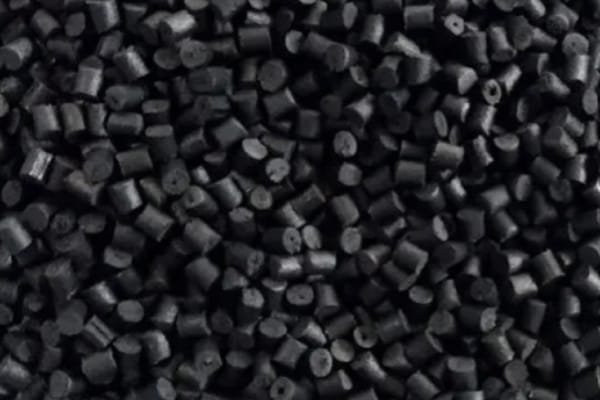
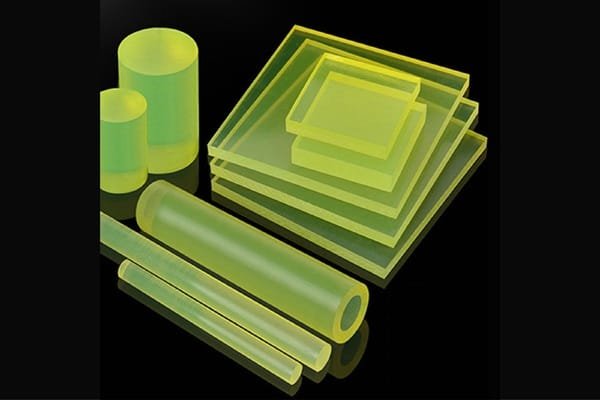
Vacuum casting uses polyurethane resins engineered to behave like common production plastics. Options include ABS, polycarbonate (PC), polypropylene (PP), rubber, PMMA (acrylic), glass-filled materials, and wax for investment casting patterns. Resins are available in rigid, flexible, transparent, and coloured grades, so both functional and aesthetic requirements are met.
Industries We Serve with Vacuum Casting
Vacuum casting suits any team that needs production-quality plastic parts in small numbers, before or instead of investing in hard tooling.
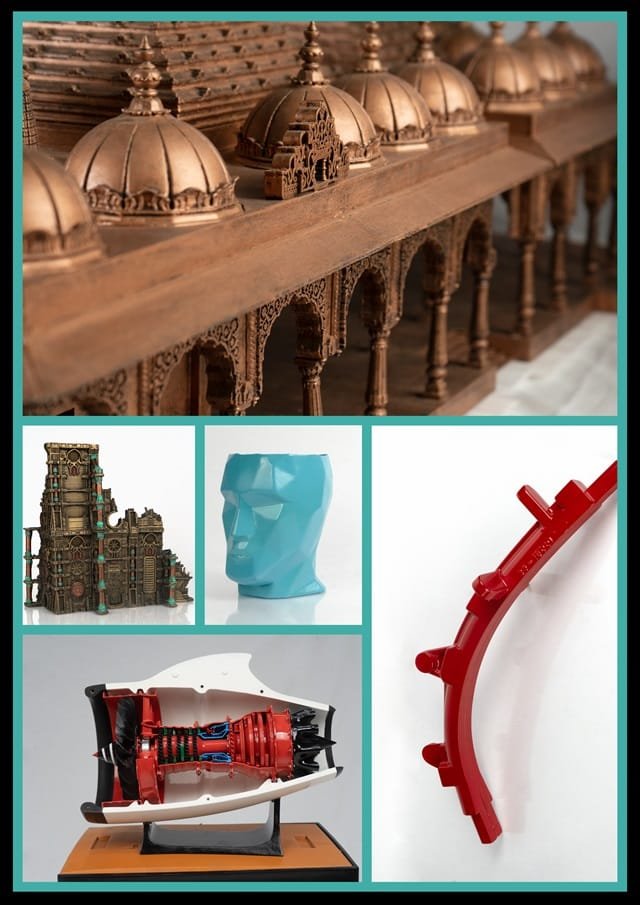
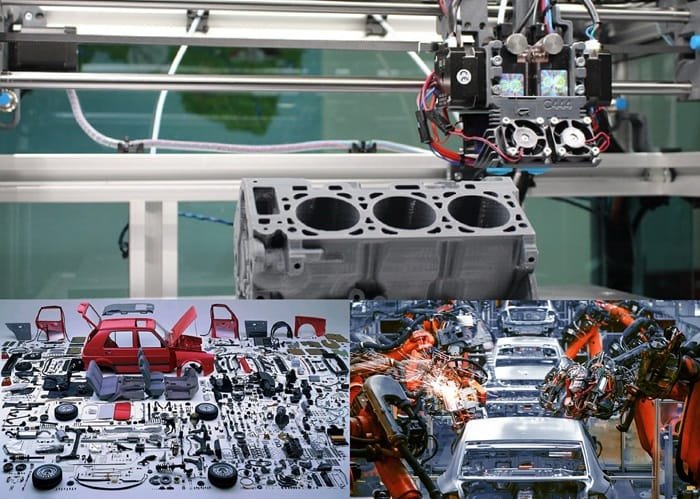
- Automotive: Functional prototypes and pre-production parts for fit checks and design reviews before production tooling is approved.
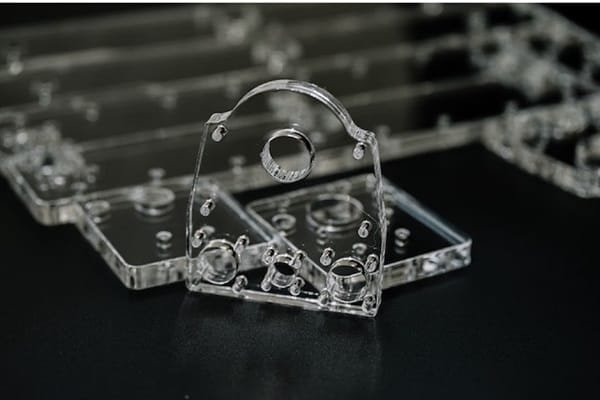
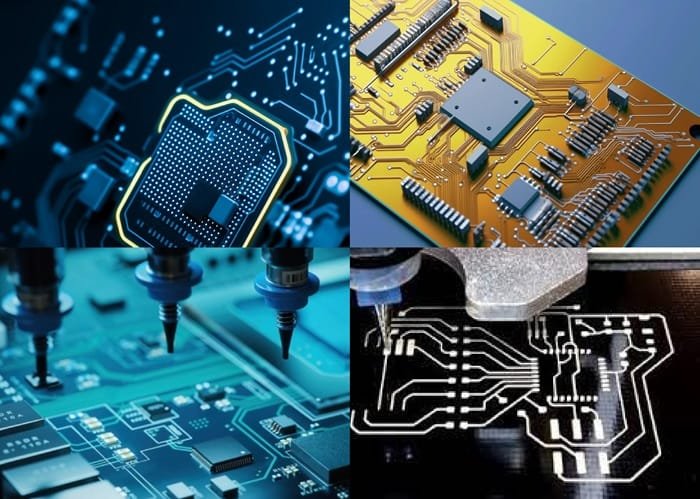
- Electronics: Housings and enclosures for device prototypes, including transparent parts where clarity matters.
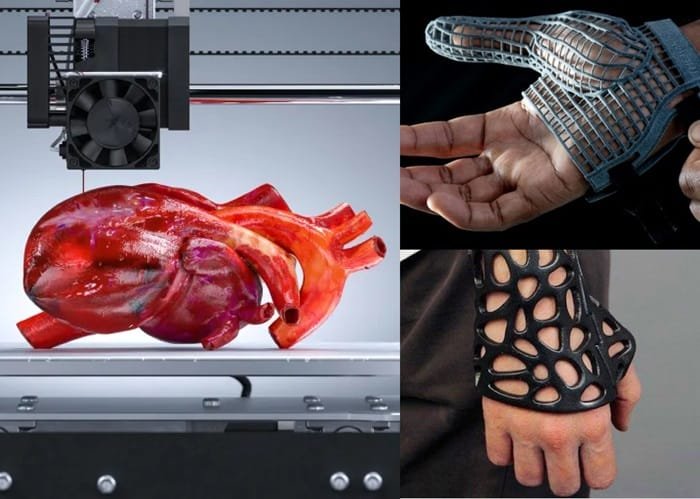
- Medical Technology: Device housings and handheld components for form, fit, and usability testing during product development.
- Robotics & Automation: Covers, grippers, and enclosures for prototype robots and short production batches.
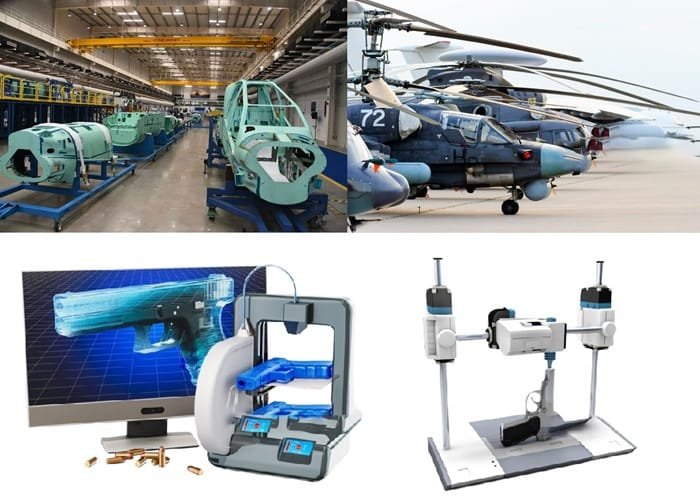
- Aerospace & Defence: Low-volume enclosures and interior components for prototyping and evaluation.
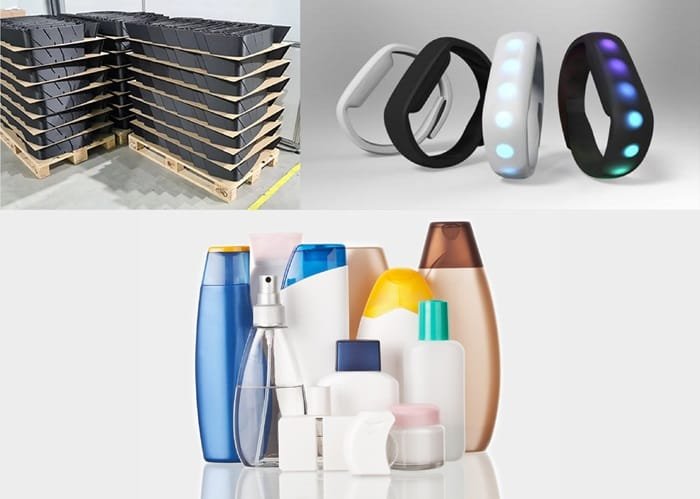
- Toys & Consumer Products: Pre-production samples and limited-edition runs in coloured, flexible or rigid materials for market testing.
- Cinema & Entertainment: Multiple identical props and display pieces cast from a single master.
Each project is matched to the material, finish, and quantity the part actually needs.
Why Choose Tesseract for Low Volume Production?
Tesseract combines traditional casting methods with modern 3D printing to offer low-volume production that is accurate, flexible, and cost-efficient.
Over a Decade of Experience: Deep knowledge of 3D printing and manufacturing, from complex geometries to fine detailing.
Precision and Quality Control: Meticulous processes, advanced tooling, and quality control systems for consistent replicas.
Innovation with 3D Printing: In-house SLA master models enable faster turnaround and greater design freedom.
Material Variety: Flexible, rigid, transparent, and coloured options for every functional and visual need.
Low Volume Specialists: High-quality parts without the high costs of traditional manufacturing.
One Integrated Partner: Operating from Mumbai and Boisar, Tesseract covers the complete product development stack. That includes 3D product design, SLA master model production, casting, and in-house post-processing. If you only have a physical part and no CAD file, 3D scanning can recreate it as a digital model first.
Ready to move from prototype to production-quality parts? Upload your design for an instant quote, call +91 81698 12438 or email contact@onetesseract.com, and the Tesseract team will recommend the right material and finish for your project.
Frequently Asked Question
Vacuum casting is a low-volume manufacturing process that casts two-component polyurethane into silicone moulds made from a 3D-printed master model, typically SLA. The resin is cast under vacuum to remove air bubbles, producing parts with a finish close to injection moulding.
Options include ABS, PC, PP, rubber, PMMA, glass-filled materials, and wax, in rigid, flexible, transparent, and coloured grades. These are polyurethane resins engineered to mimic common production plastics.
Vacuum casting is ideal for runs under about 50 units, since there is no steel or aluminium tooling to cut. Each silicone mould produces around 20 to 25 casts, and new moulds are made from the same master for larger quantities.
It is used across automotive, electronics, medical technology, robotics, toys, and entertainment. Typical applications are functional prototypes, pre-production testing, market evaluation samples, and limited-edition runs.
Turnaround time depends on part complexity and quantity, but typically ranges from 5-10 days. This includes mold creation from your master model and casting the required number of parts, making it significantly faster than traditional manufacturing methods.

