
Injection Moulding
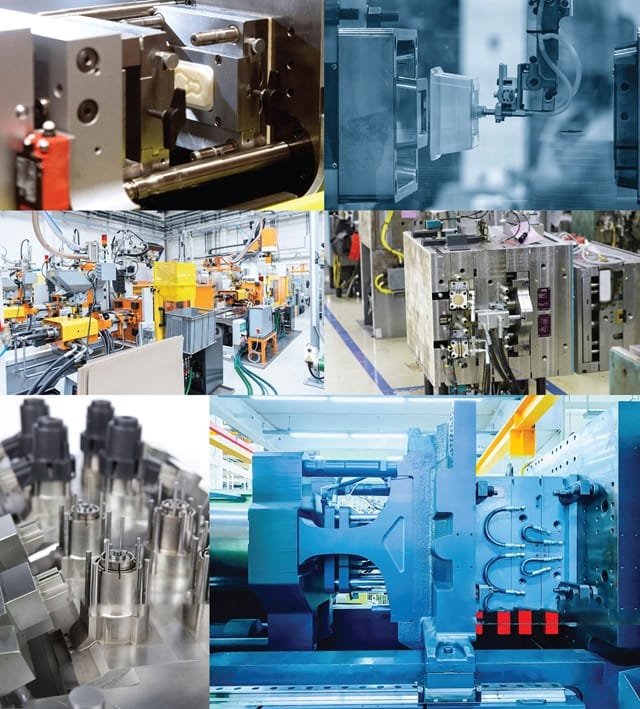
Unlocking Scalability
Injection moulding is a versatile manufacturing process used to create parts by injecting molten material into moulds. This method can be employed with a wide range of materials, with thermoplastics and thermosetting polymers being the most common. Designing plastic parts involves considering various factors, including functionality, structural integrity, and the moulding process itself. Following fundamental principles of injection-moulded part design leads to parts that are easier to produce, assemble, and offer enhanced durability. Injection moulding is the preferred method for manufacturing plastic components in large quantities.
USP

High Volume Production

High Tolerance Precision
Repeatability

Wide Material Selection

Cost Effective

Biocompatibility Certifications
Our Post Processing Offerings




Our Material Offerings
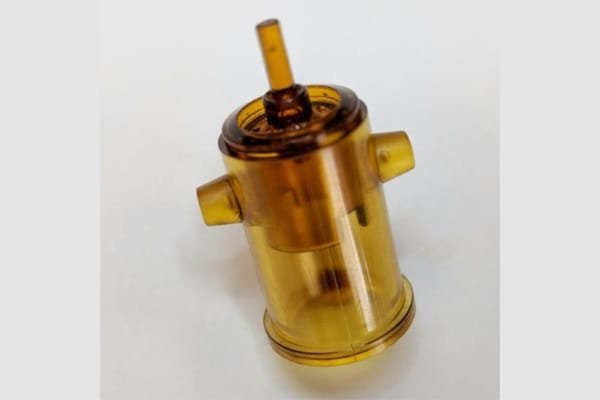
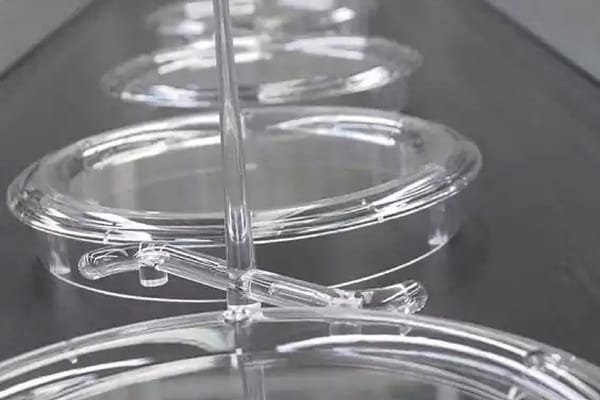
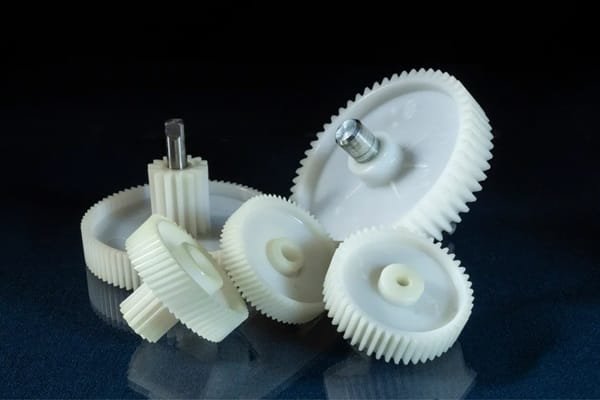

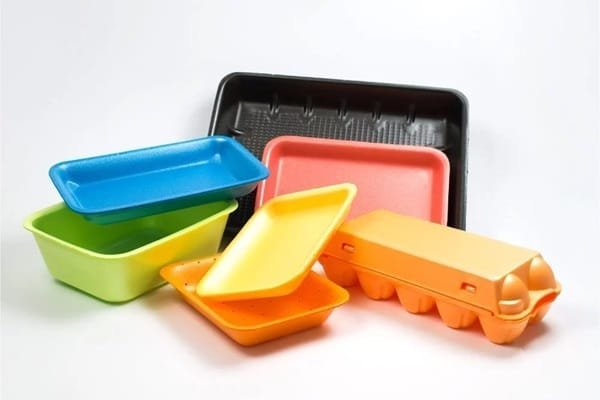
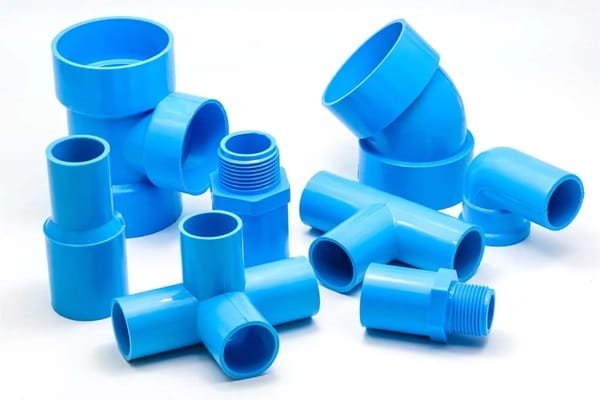
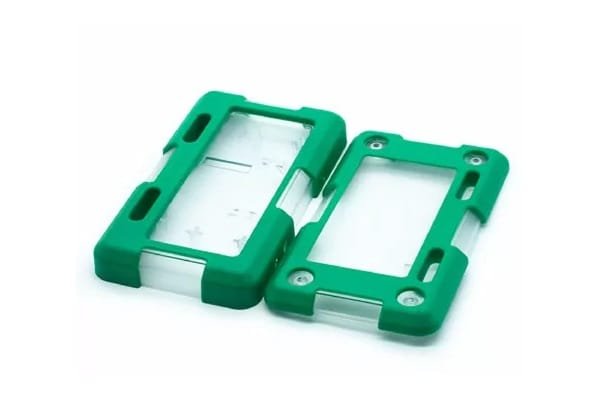
Industries

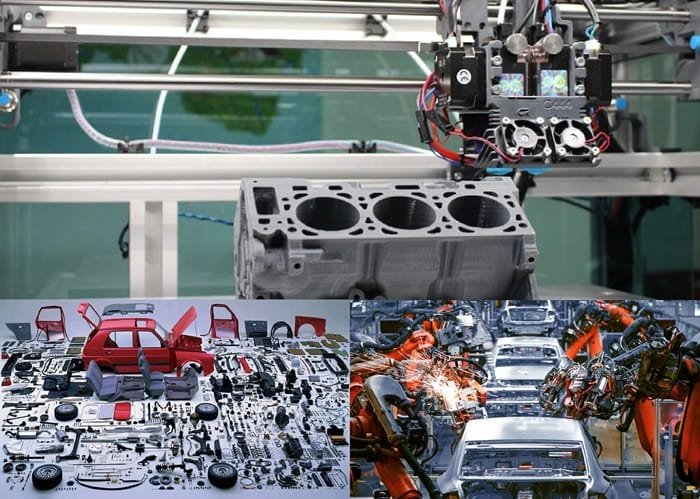
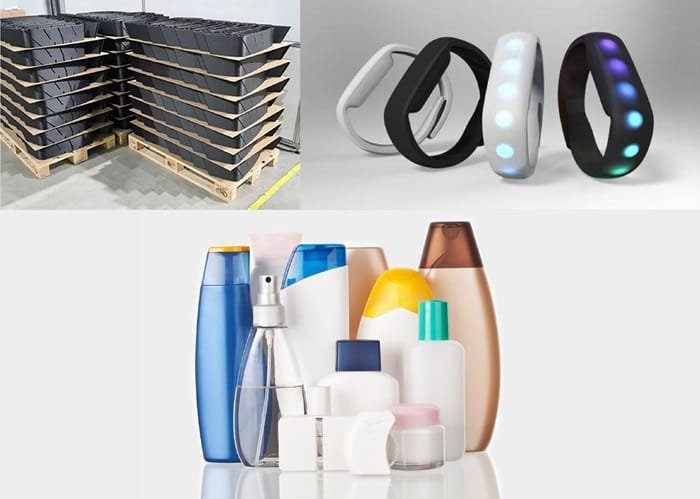
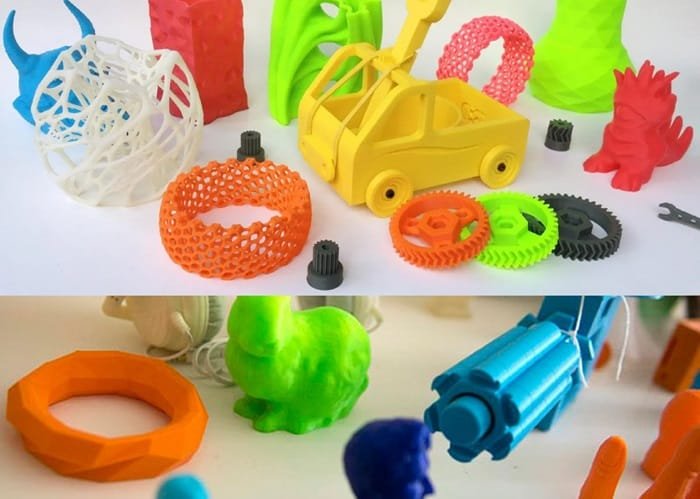
Plastic Injection Moulding in Mumbai: Unlocking Scalability, One Mould at a Time
Injection moulding is a manufacturing process that creates parts by injecting molten material, typically thermoplastics or thermosetting polymers, into a closed mould. It is the preferred method for producing plastic components in large quantities with consistent quality. Our injection moulding services in Mumbai turn finished designs into high-quality plastic parts at production scale.
Good moulded parts start at the design stage. Designing for injection moulding means accounting for functionality, structural integrity, and the moulding process itself. Parts designed around these principles are easier to produce and assemble, and they offer enhanced durability over the product’s life.
Benefits of Plastic Injection Moulding
High Volume Production: Built for large quantities, with one permanent mould reused across thousands of parts.
High Tolerance Precision: Accurate results with minimal deviations.
Repeatability: Reliable and consistent outcomes across the production run.
Wide Material Selection: A broad range of thermoplastic materials to choose from.
Cost-Effective: Minimal scrap losses and reduced post-processing.
Biocompatibility Certifications: USP Class VI and ISO 10993 compliant, supporting ETO and gamma sterilisation.
How the Injection Moulding Process Works
Design for Moulding: The part is designed around functionality, structural integrity, and the moulding process.
Mould Tooling: A permanent mould is created in the shape of the part.
Injection: Molten material is injected into the closed mould under pressure.
Cooling and Ejection: The part is ejected once cooled, and the same mould is reused for the full production run.
Finishing: Parts move into post-processing where required.
Injection Moulding vs Vacuum Casting and 3D Printing
Quantity decides the right process. Creating a mould tool is expensive and can take weeks, which makes injection moulding less practical for very low volumes. Once the mould exists, every part costs very little to produce, with minimal scrap and reduced post-processing.
Factor | Injection Moulding | Vacuum Casting | 3D Printing |
Tooling | Permanent steel or aluminium mould | Silicone mould from an SLA master | No dedicated tooling |
Best quantity | Large quantities | Typically 1 to 50 parts | No minimum order quantity |
Materials | Production-grade thermoplastics | PU resins that mimic ABS, PC and PP | Printing resins and filaments |
Design changes | Costly once the mould is cut | Quick, as no hard tooling is cut | Easiest, as no tooling is involved |
A common workflow is to validate a design with 20 to 50 vacuum cast units, then move the same design into injection moulding once volume justifies the tooling spend. Any design flaw caught at this stage is far cheaper to fix than one found after a steel mould has been cut. See the full vacuum casting vs injection moulding comparison and our guide to compression moulding vs injection moulding.
Injection Moulding Materials
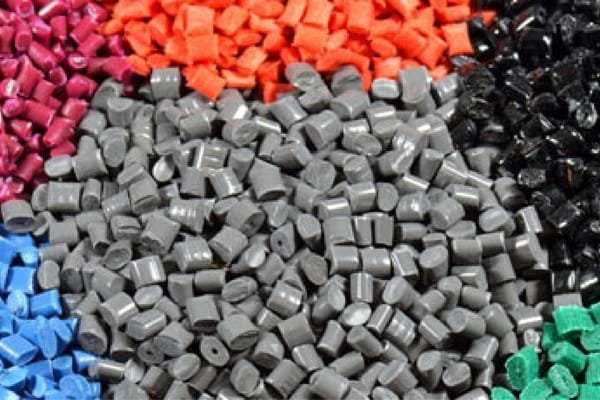
Choose from a comprehensive range of thermoplastic materials:
Polypropylene (PP)
ABS
Polycarbonate (PC)
Polycarbonate/ABS (PC/ABS)
Nylon (PA)
Polyoxymethylene (POM)
Polyethylene (HDPE/LDPE)
Polyvinyl Chloride (PVC)
Acrylic (PMMA)
Polyetherimide (PEI)
Styrene
TPE/TPU for flexible applications
Post Processing Offerings
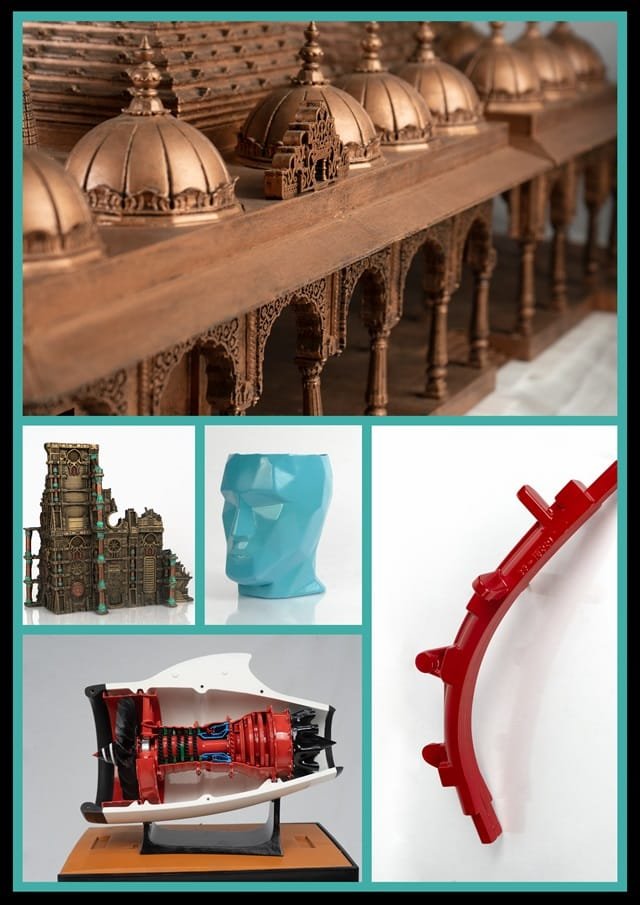
Moulded parts can be finished in-house to meet final appearance requirements. Finishing options include painting, buffing and polishing, hydro-dipping, hydro-chroming, electroplating and laser engraving.
Industries We Serve
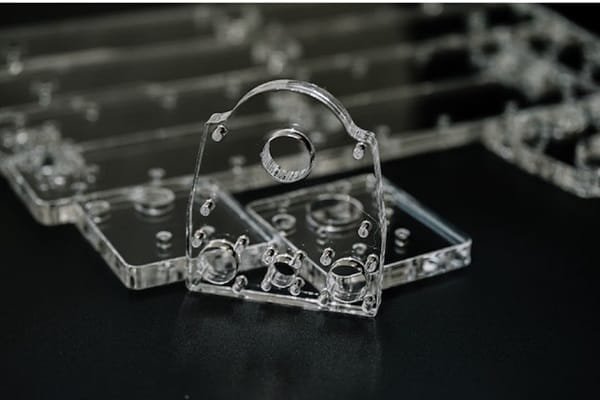
Automotive, medical devices, consumer electronics, packaging, industrial components and consumer products industries rely on injection moulding for scalable, cost-effective manufacturing of plastic parts with tight tolerances.
Automotive: Parts such as dashboards, trim panels and functional clips.
Medical Devices: USP Class VI and ISO 10993 compliant options that support ETO and gamma sterilisation.
Why Choose Tesseract for Injection Moulding Services
Founded in 2016, Tesseract is a Mumbai-based product development partner with over a decade of experience in 3D printing and manufacturing. It operates from a head office in Prabhadevi and a 5,000+ sq. ft. factory in Boisar.
Design to Production Under One Roof: Product design, prototyping and manufacturing are all offered in-house.
Validate Before You Commit: Test the design through 3D printing or vacuum casting first, then move into injection moulding once volume justifies the tooling.
No CAD File? Start With the Part: An existing component can be recreated through 3D scanning and reverse engineering, and the CAD model can then move into injection moulding.
Wide Material Choice: A comprehensive range of thermoplastics, including biocompatible options.
Consistent Quality at Scale: High tolerance precision and repeatable results across the production run.
Closing CTA: Ready to scale your product into production? Upload your design (STL, STEP, STP, IGES or OBJ) for a quote, call +91 81698 12438 or email:contact@tesseract3d.com.
Frequently Asked Questions
Injection moulding is a manufacturing process that injects molten material, typically thermoplastics or thermosetting polymers, into a closed mould. The part is ejected once cooled, and the same mould is reused to produce large quantities with consistent quality.
Options include PP, ABS, PC, PC/ABS, Nylon, POM, HDPE/LDPE, PVC, PMMA, PEI, Styrene and TPE/TPU for flexible applications.
Automotive, medical devices, consumer electronics, packaging, industrial components and consumer products industries rely on injection moulding for scalable, cost-effective plastic parts with tight tolerances.
Yes. Prototypes are made through 3D printing or vacuum casting, and the same design then moves into injection moulding for high-volume production once it is finalised.
Creating the mould tool is the main upfront cost, which makes injection moulding less practical for very low volumes. Once the mould exists, every part costs very little to produce, with minimal scrap and reduced post-processing.

